
Off the Galley Mike
Mike — Off The Galley
Six years as a Navy cook on submarines and destroyers, feeding 130 sailors from a galley the size of your bathroom. Now I cook the same big-flavor, no-nonsense food for my family of four — and share every recipe here. No culinary school. No fancy plating. Just real food that works, tested on the toughest critics afloat and the pickiest ones at home.
The Texas BBQ Cookout Full Spread From Smoke to Dessert
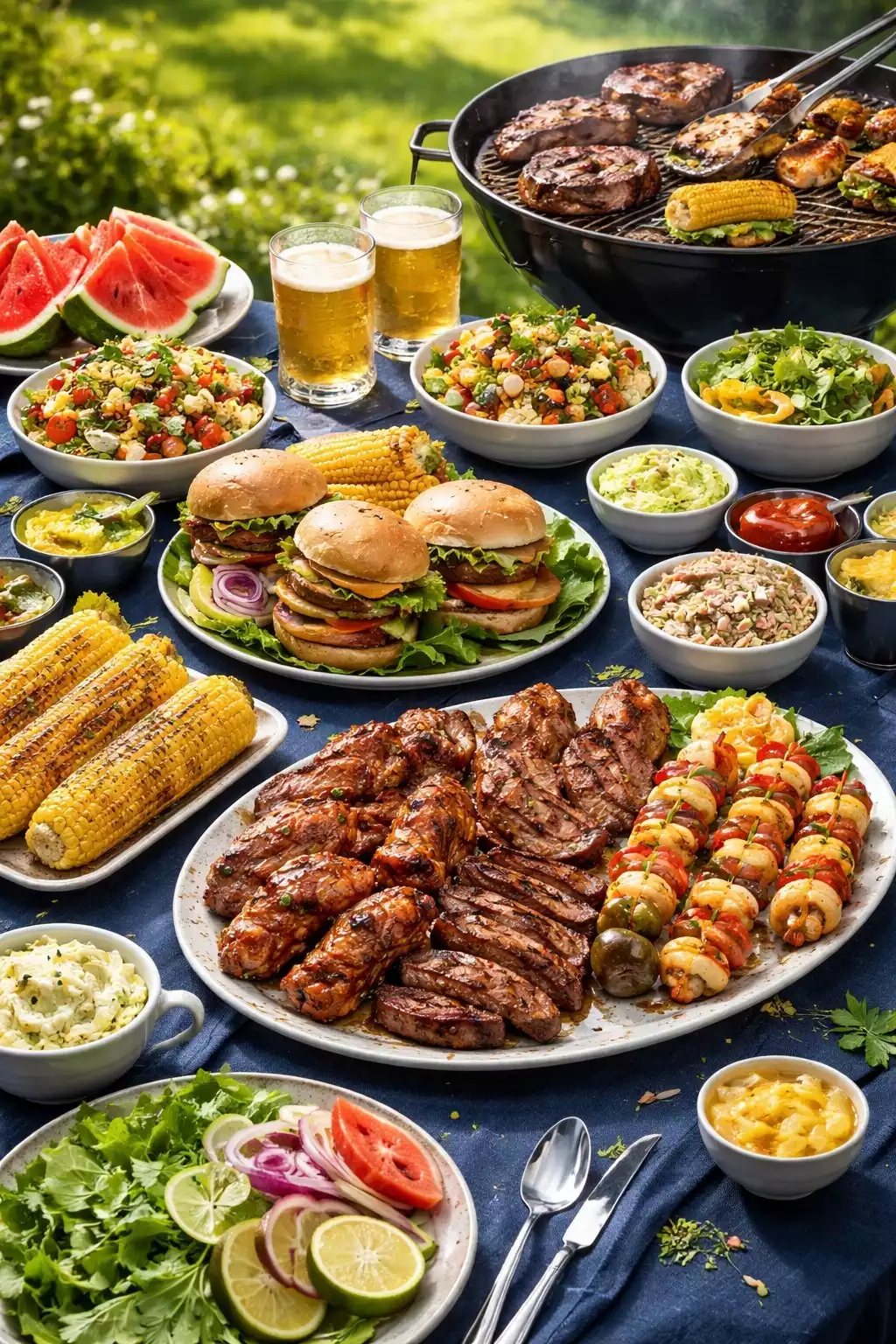
The full Texas BBQ spread is a commitment and it’s worth every minute. This is the cookout menu I run when I want to do it right: multiple proteins, a full side spread, and the one dessert that belongs.
The Proteins
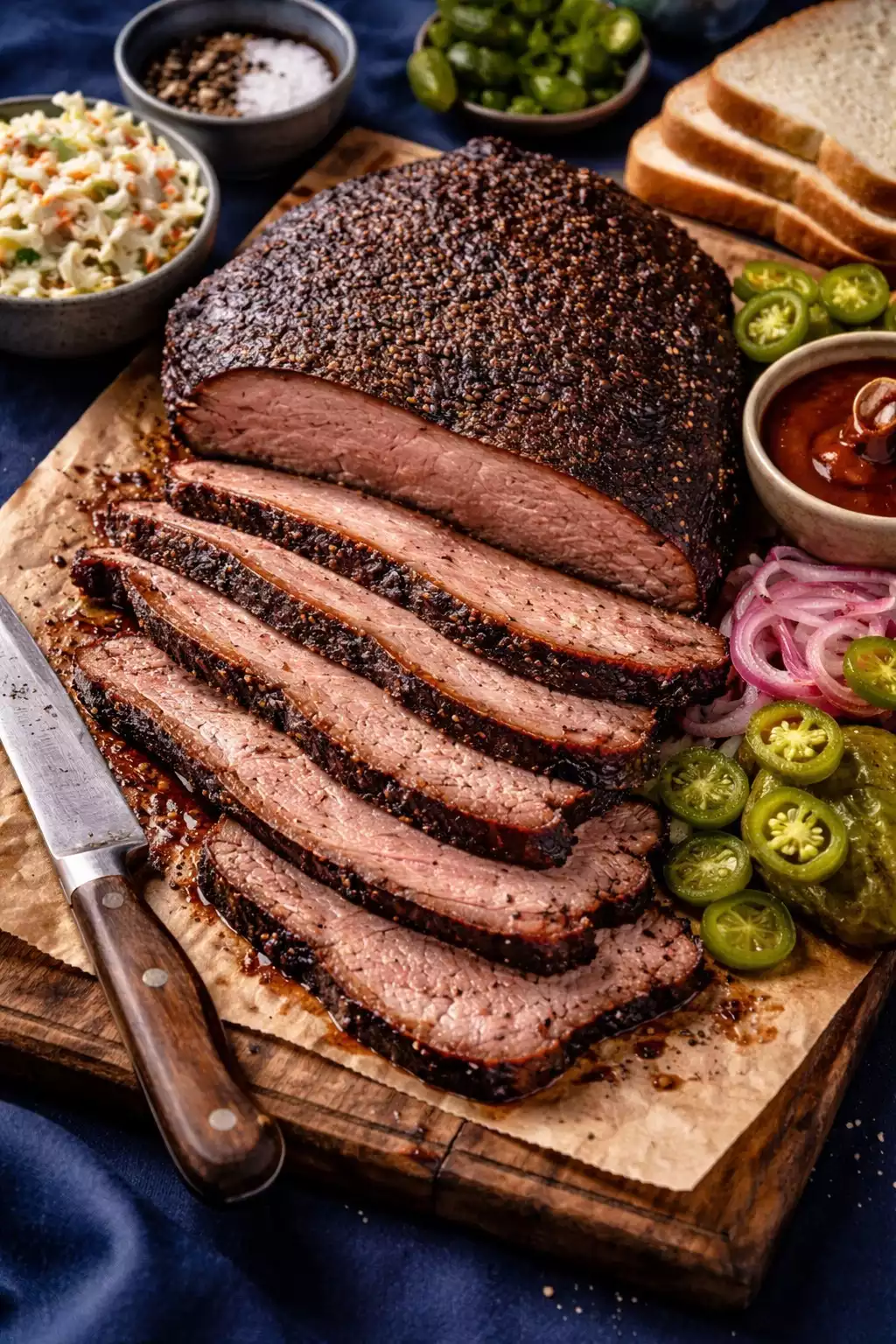
Texas-Style Brisket the centerpiece. Start the night before.
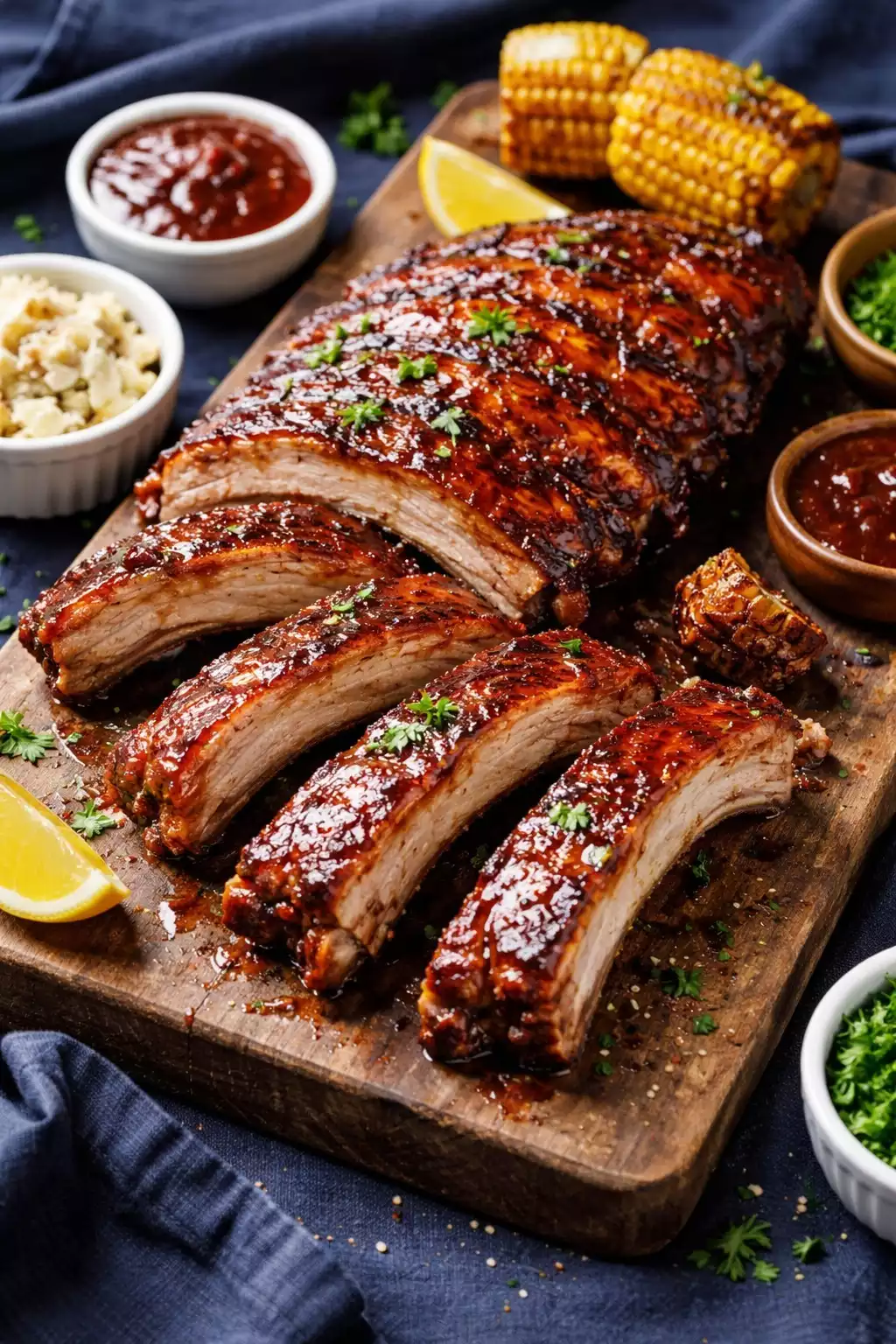
Baby Back Ribs go on the smoker after the brisket wraps.
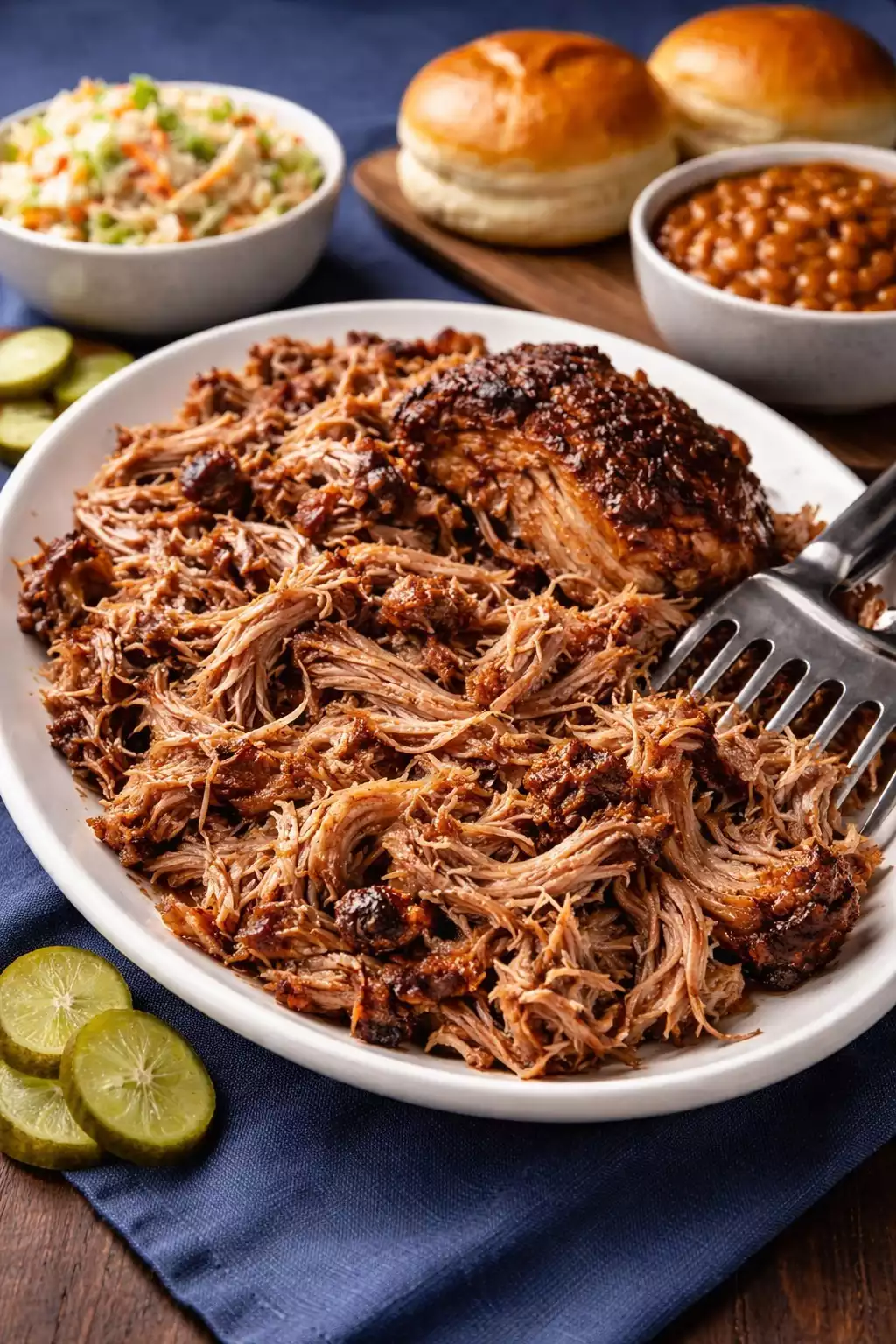
Pulled Pork the most forgiving protein. Hard to ruin.
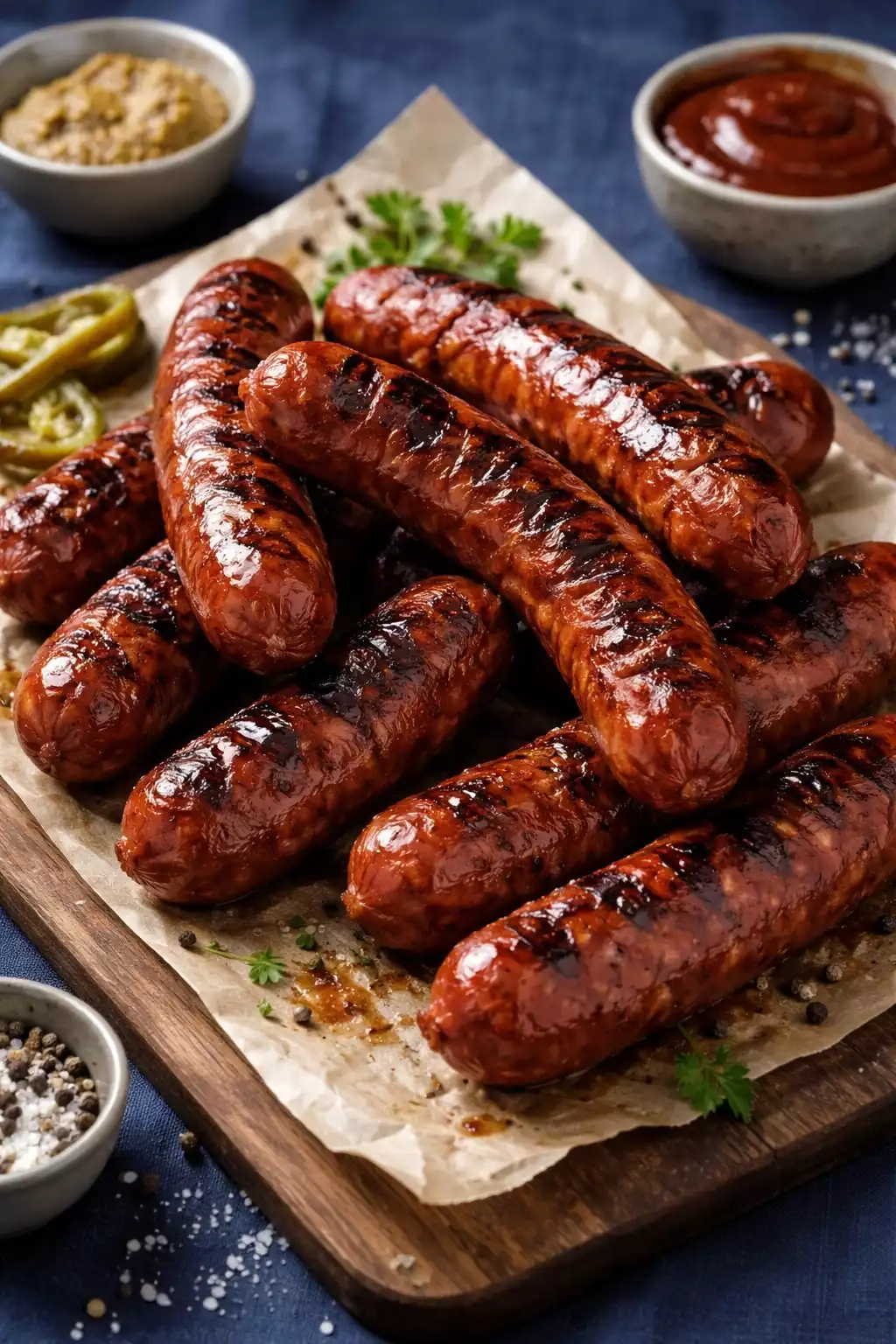
Smoked Sausage the co-pilot. Goes on during the last 2 hours.
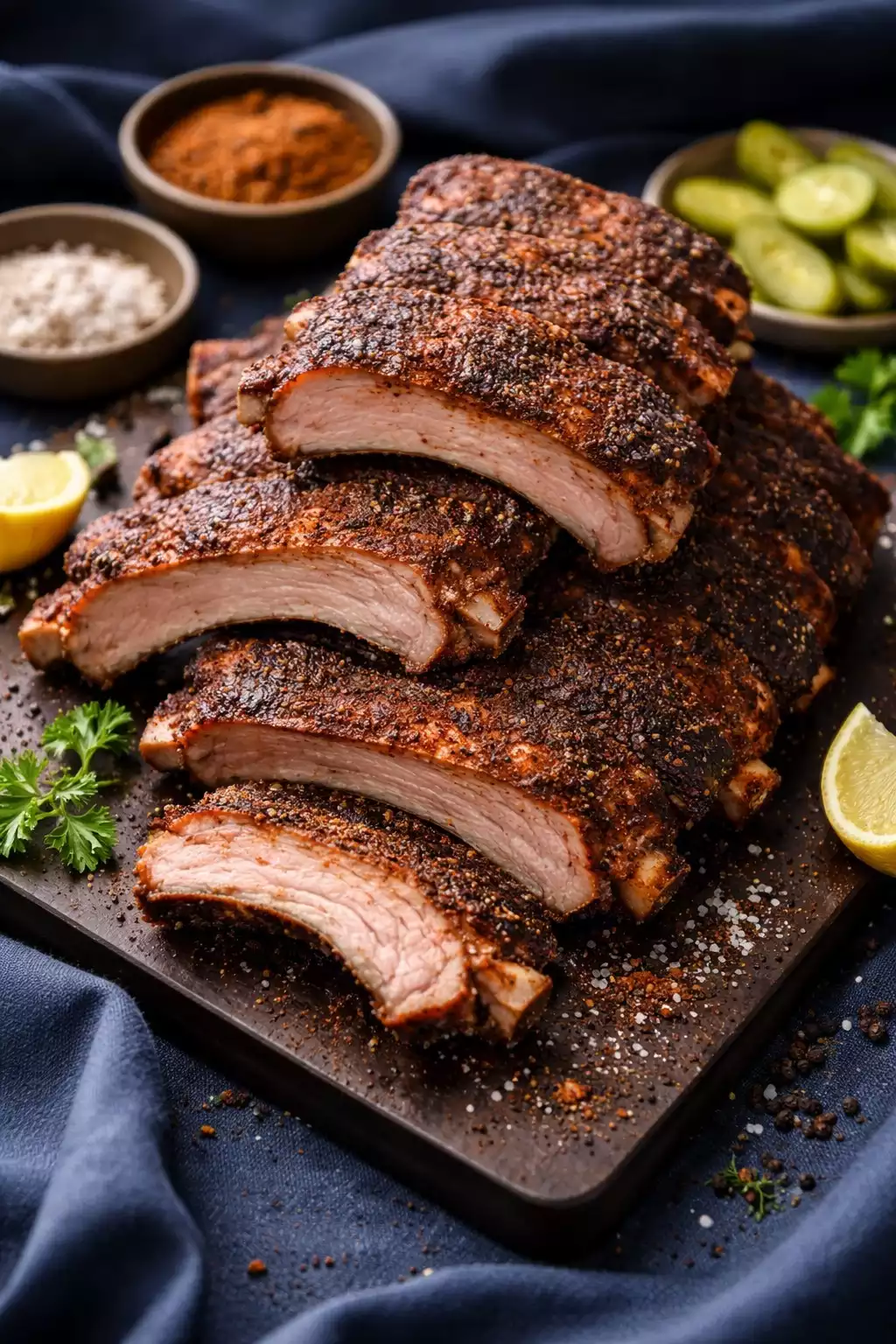
Dry Rub Ribs for purists who don’t want sauce.
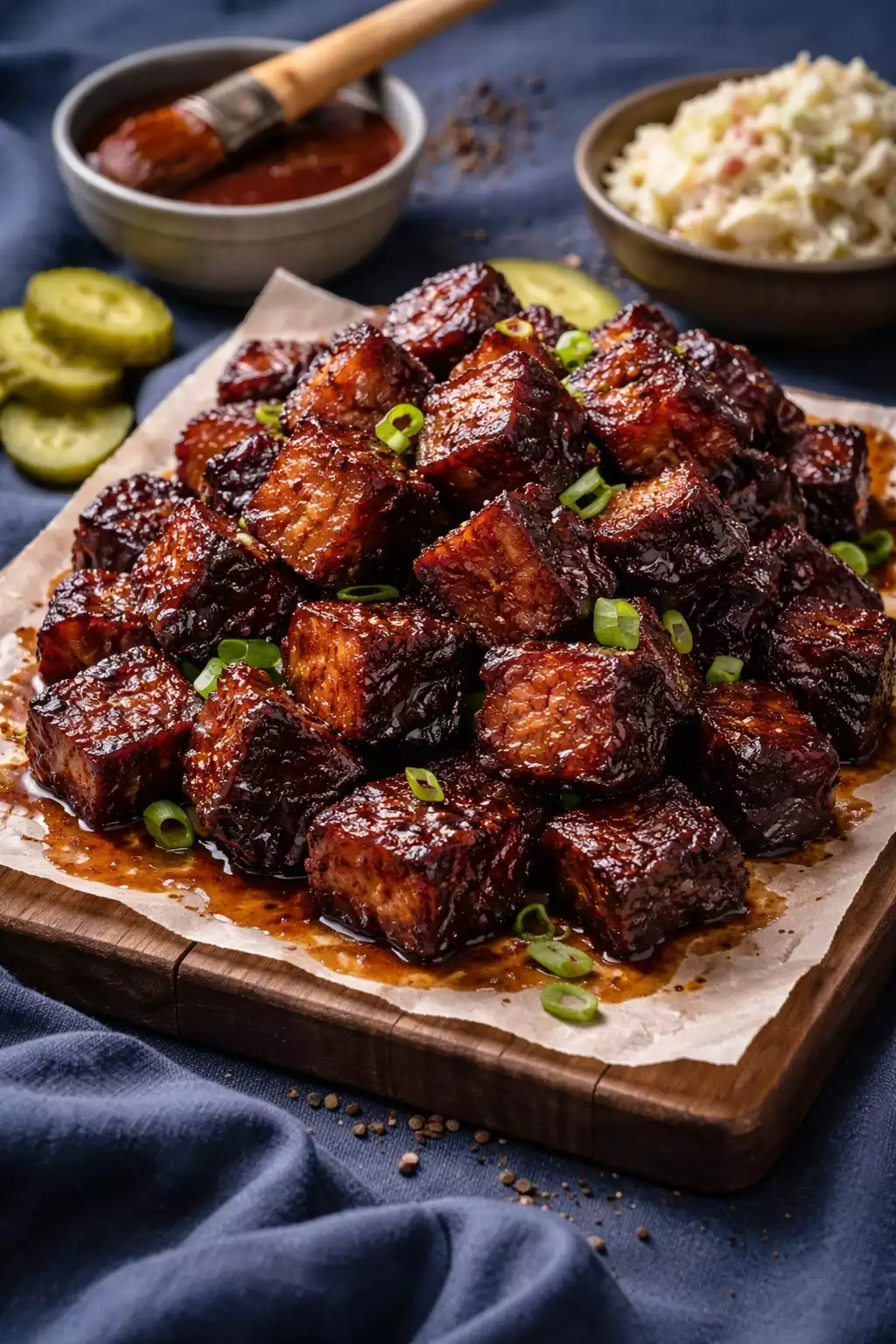
Burnt Ends made from the brisket point. BBQ meat candy.
The Sides
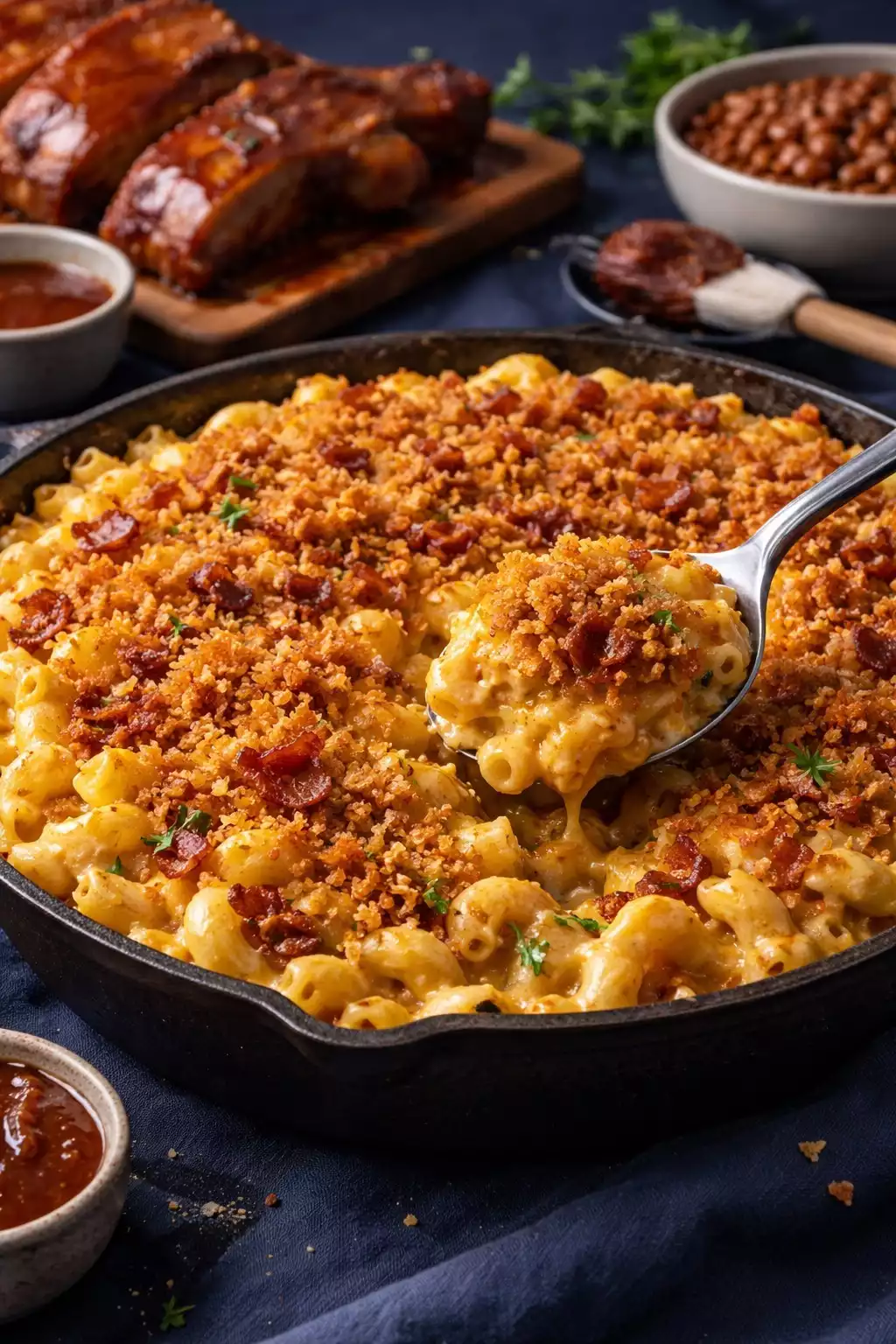
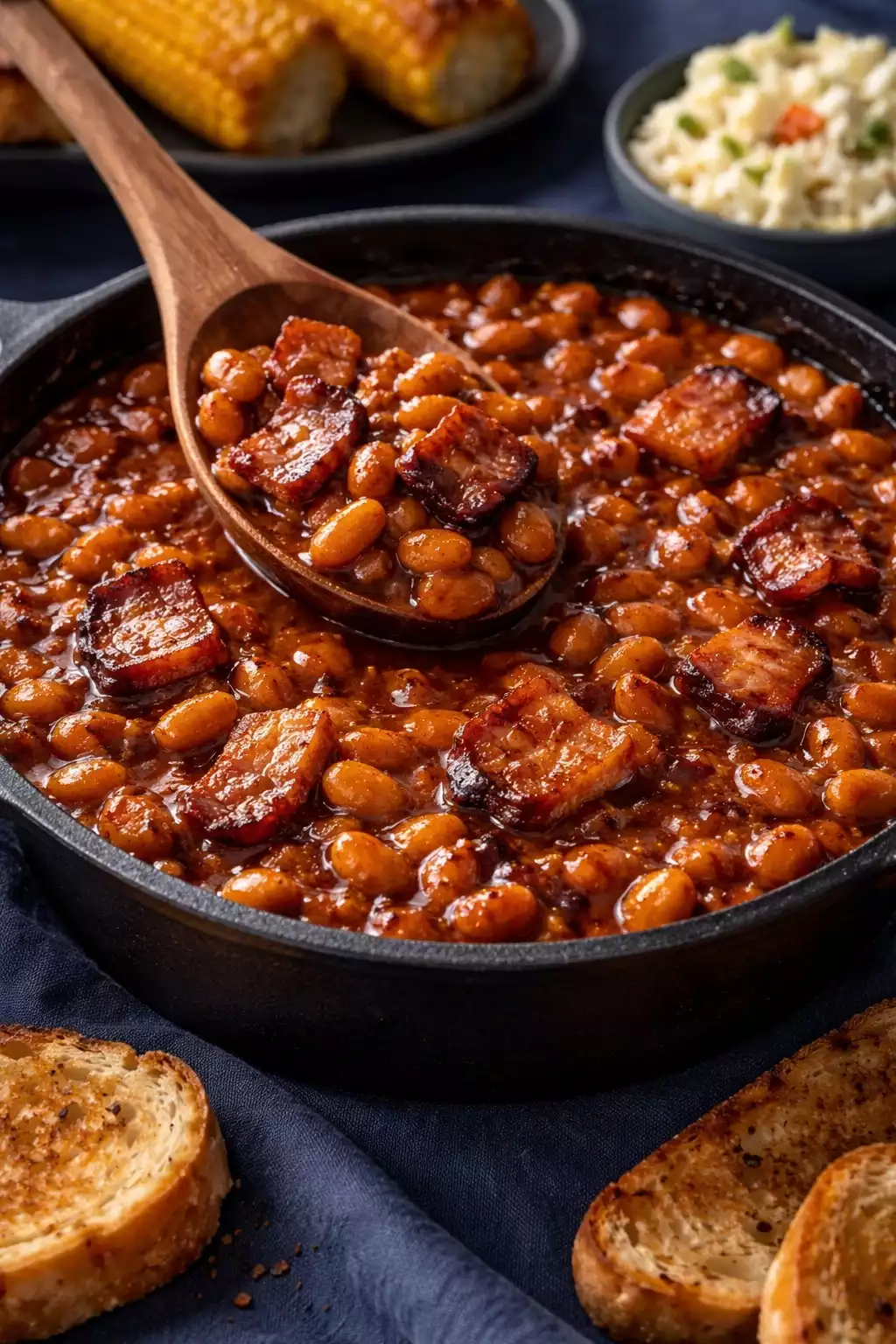
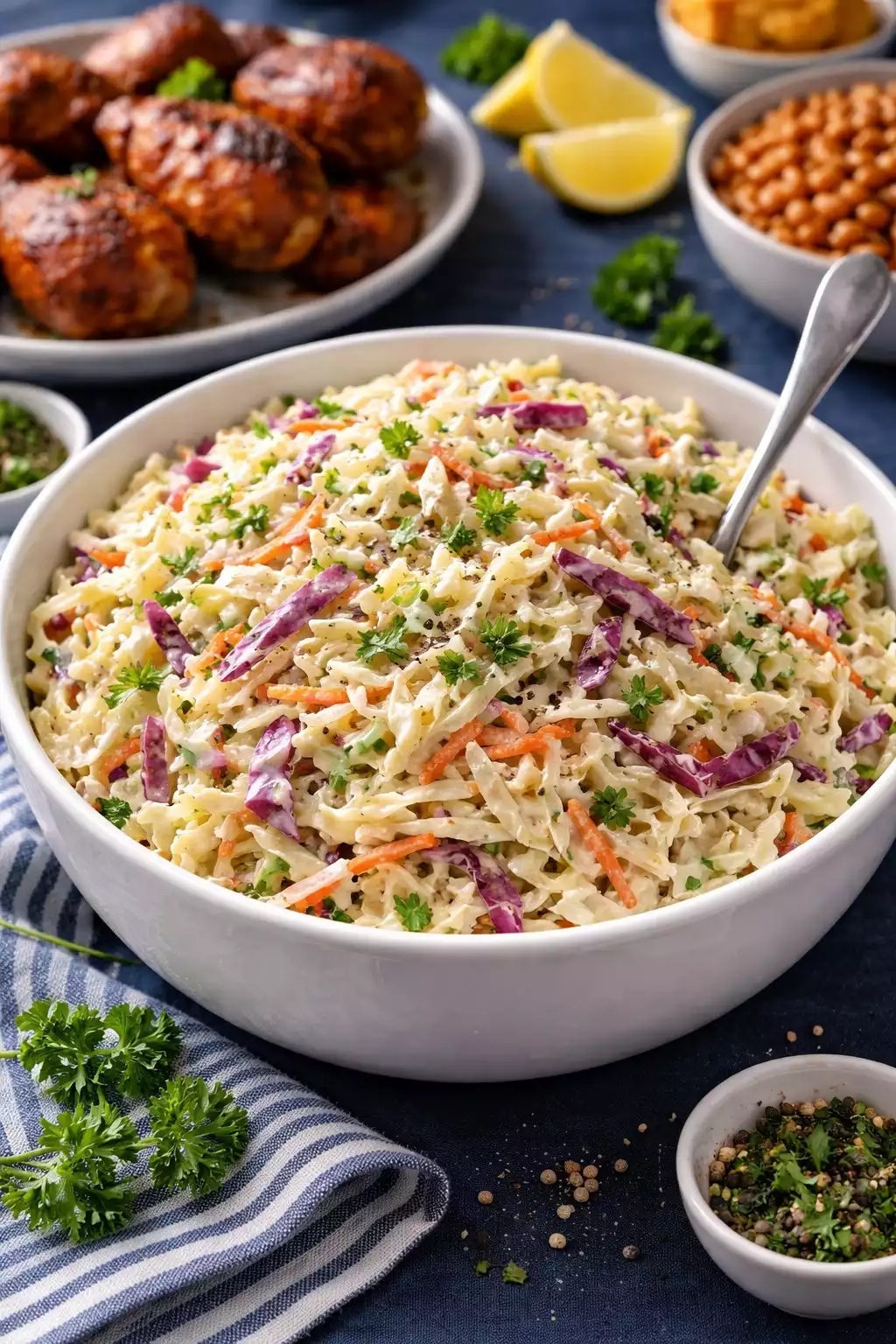
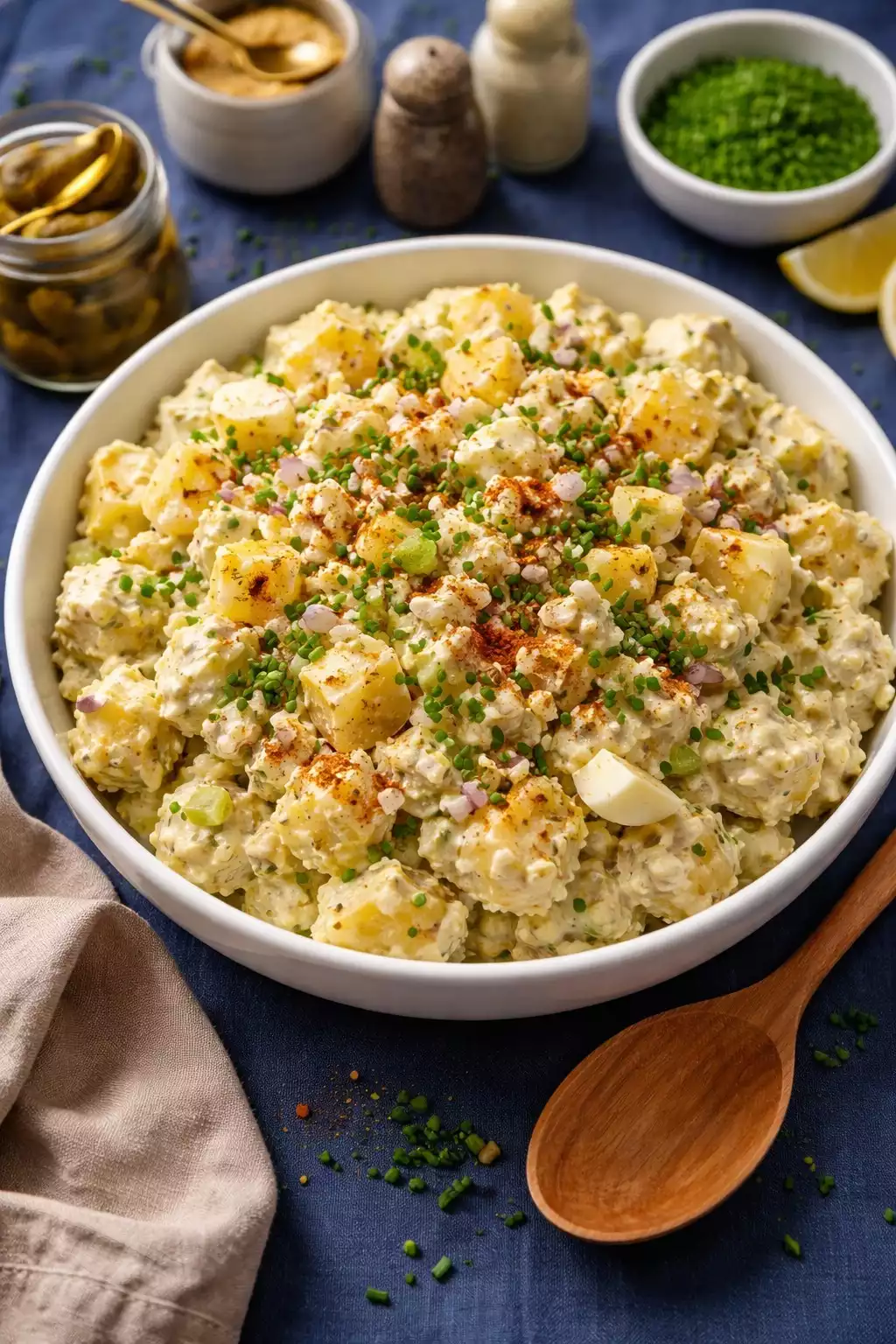
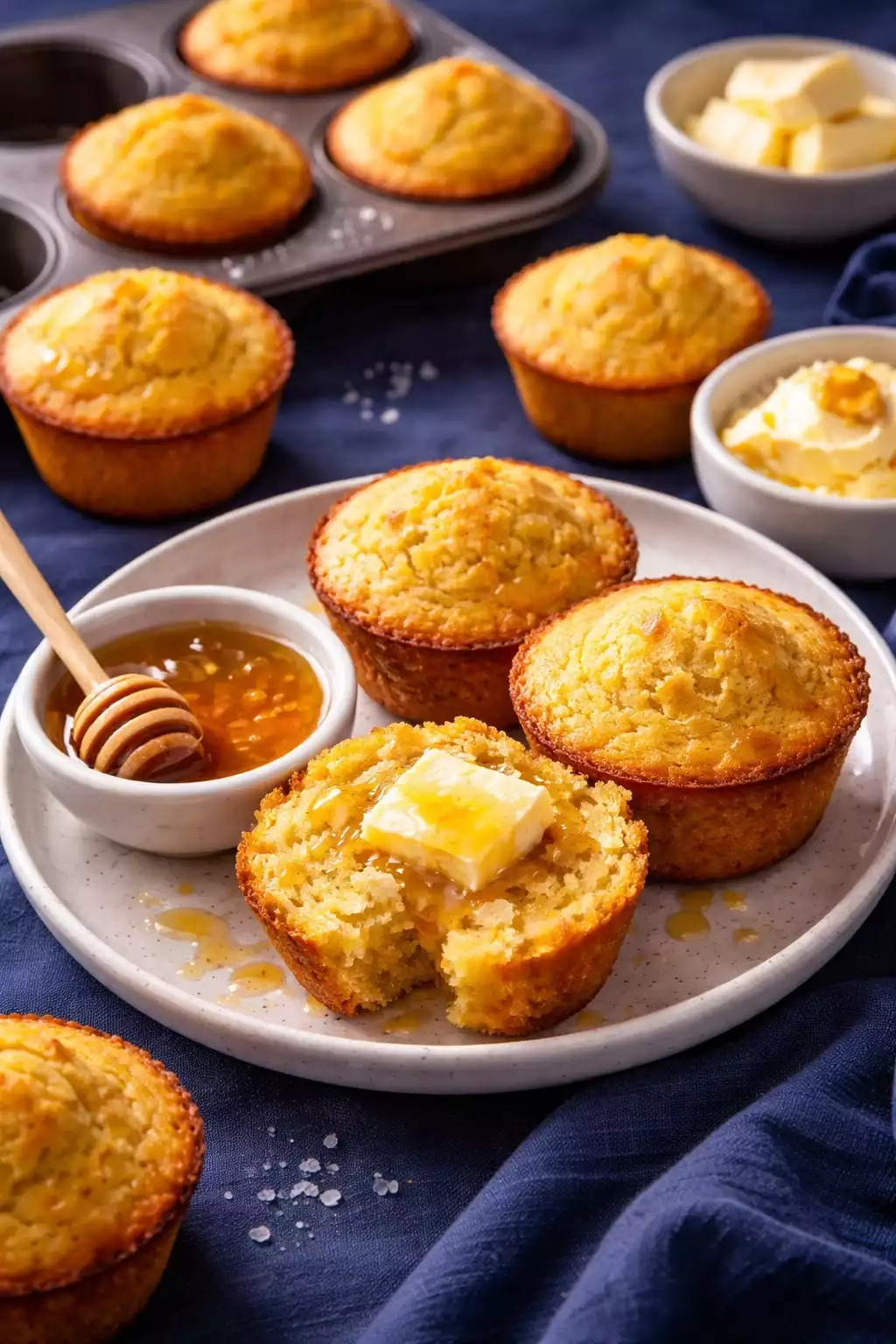
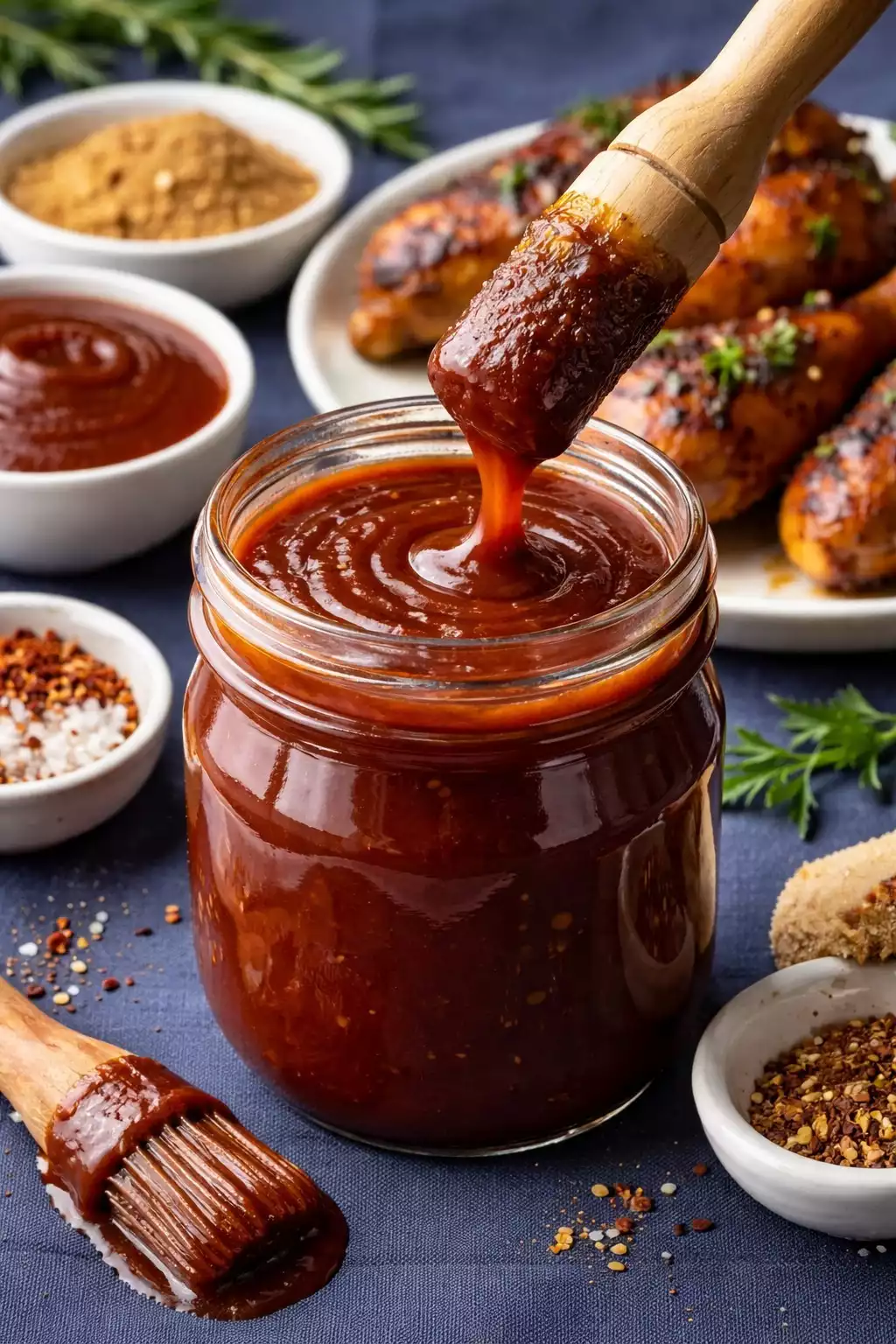
Smoked Mac and Cheese, BBQ Baked Beans, Classic Coleslaw, Homemade BBQ Sauce, Classic Potato Salad, Cornbread Muffins.
Dessert
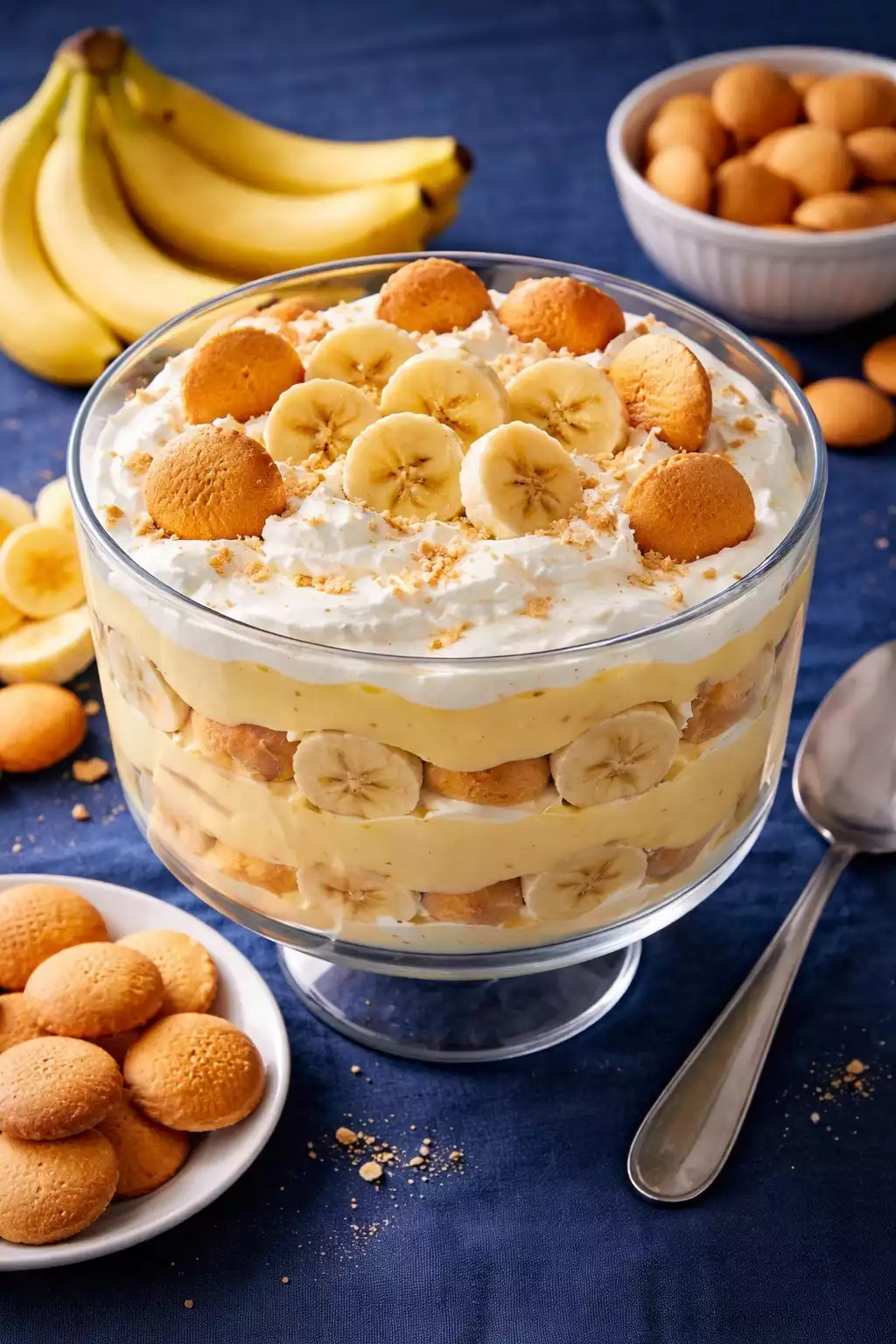
Banana Pudding made the night before. Served cold. The cookout closer.
The Timeline
Season brisket. Make banana pudding.
Make potato salad and coleslaw. Refrigerate.
Ribs on the smoker. Start baked beans.
Sausage on. Assemble mac and cheese.
Mac on the smoker. Bake cornbread muffins.
Brisket rests. Slice and serve.
Everything on the table. Feed the people.
Total cost for 15-20 people: $100-150. Same spread at a BBQ restaurant: $400+.
The Low and Slow Philosophy
Texas BBQ isn’t fast food. It’s a commitment some would say a lifestyle. The brisket alone takes 12+ hours. But that’s the point. The long cook breaks down tough collagen into gelatin, rendering fat into silky richness, and builds a smoke-flavored bark that shatters when you slice through it. No shortcut produces the same result. You either commit the time or you get something lesser.
The beauty of smoking multiple proteins is efficiency the smoker is already running. Adding ribs, sausage, and pulled pork to a brisket cook requires no additional fuel, minimal additional attention, and produces a spread that would cost $400+ at a BBQ restaurant.
Building the Side Spread
Texas BBQ sides have one job: support the meat without competing with it. adds richness. add sweetness. adds acidity and crunch. adds starchy comfort. adds texture. Each side plays a role in balancing the smoky, fatty, rich protein.
is the only acceptable Texas BBQ dessert. Cold, creamy, sweet the perfect counterpoint to 12 hours of smoke and heat. Make it the night before so it sets properly.
The Brisket Timeline
is the anchor of a Texas BBQ cookout. Everything else schedules around it.
Trim the brisket. Season generously with coarse salt and black pepper the traditional Texas rub. No sauce, no complex spice blends. Salt and pepper. Let it sit uncovered in the fridge overnight. The salt penetrates the meat and the surface dries, which develops better bark.
Fire the smoker. Oak or post oak if you can get it. Target 250°F. Place the brisket fat-side up (or fat-side down this debate will never end; I go fat-side up). Close the lid and don’t open it for 3 hours.
First check. The bark should be forming. Spritz with a 50/50 mix of apple cider vinegar and water every 45 minutes from here.
go on the smoker. They’ll cook for 5-6 hours alongside the brisket. The brisket is somewhere around 165°F internal the stall. This is where patience matters. Don’t crank the heat. Don’t wrap yet. Let it push through.
Wrap the brisket in butcher paper when the bark is set and the color is deep mahogany. This accelerates cooking without destroying bark (foil would make it soggy). goes on the smoker.
assembled and on the smoker for 45 minutes. in a foil pan on the smoker. Bake in the kitchen oven.
Brisket should hit 200-203°F internal. Pull it when a probe slides in with zero resistance like pushing into warm butter. Wrap tightly, place in a cooler (no ice) to rest for 1-2 hours minimum. Resting is not optional. Unrested brisket is dry brisket.
Ribs off the smoker. Sausage sliced. Pull the brisket from the cooler. Slice against the grain. Serve everything family-style on butcher paper.
The Side Assembly
Make and the morning of and refrigerate. They need time for flavors to meld and they’re better cold. can be made days ahead it keeps for weeks in the fridge. must be made the night before so the vanilla wafers soften into the pudding layers.
Feeding 20 People
Budget one pound of raw brisket per person (yields about 1/2 pound cooked). For 20 people: one 15-18 pound packer brisket ($60-80), two racks of ribs ($30), one pork shoulder for ($15-20), and 3-4 pounds of sausage ($12-15). Total protein cost: about $120-130. Add sides and you’re at $150 total. At a Texas BBQ restaurant, the same spread for 20 people runs $400-600.
The economics of home BBQ are compelling. The investment is time, not money.
Smoker Management for Multiple Proteins
Running multiple proteins on one smoker requires a timeline and temperature strategy. The smoker runs at 250°F the sweet spot for brisket, ribs, and pulled pork. Everything schedules around the brisket because it takes the longest.
On a large offset smoker, the firebox end is hotter. Place the brisket closest to the firebox (it needs the most heat penetration) and ribs further away (they’re thinner and cook faster). goes on last and can go anywhere it’s the most forgiving protein.
Post oak is traditional Texas BBQ wood. Add splits every 45-60 minutes to maintain thin blue smoke. White billowing smoke is dirty smoke it produces bitter, acrid flavors. If you see white smoke, open the firebox vent wider and let the fire burn cleaner.
When the brisket comes off the smoker wrapped in butcher paper, it goes into a dry cooler (no ice) for minimum one hour, ideally two. During this rest, the internal temperature actually rises slightly (carryover cooking) and then stabilizes. The collagen continues converting to gelatin. The juices redistribute. Cutting a brisket before it’s rested is the single most common mistake in BBQ it turns a perfectly smoked brisket into a dry one.
Leftover Strategy
A full Texas BBQ cookout produces significant leftovers and that’s intentional. Leftover becomes Monday’s pulled pork sandwiches, Tuesday’s pulled pork tacos, and Wednesday’s pulled pork nachos. Leftover becomes if you saved the point, or chopped brisket sandwiches if you didn’t. Leftover reheats perfectly in the oven at 350°F for 15 minutes. A $150 cookout that produces three days of additional meals is effectively a $50 cookout per meal.
That’s Texas BBQ. Time, smoke, patience, and the understanding that the best things in cooking like the best things in life can’t be rushed.
More From This Collection
Off the Galley Mike
Mike — Off The Galley
Six years as a Navy cook on submarines and destroyers, feeding 130 sailors from a galley the size of your bathroom. Now I cook the same big-flavor, no-nonsense food for my family of four — and share every recipe here. No culinary school. No fancy plating. Just real food that works, tested on the toughest critics afloat and the pickiest ones at home.