
Dry Rub Ribs
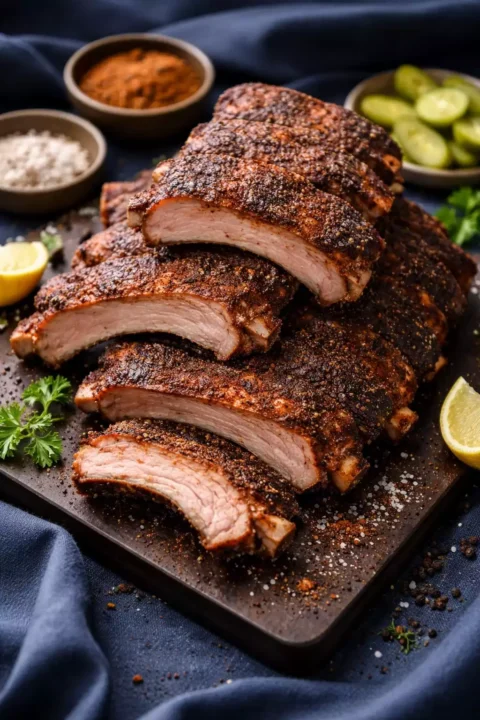
No sauce. Just rub and smoke. Let the meat do the talking. If 3-2-1 ribs are the crowd-pleasing, saucy, fall-off-the-bone style, then dry rub ribs are the pitmaster’s cho
Ingredients
- 2 racks baby back ribs (or spare ribs)
- dry rub (recipe above)
- yellow mustard as binder (optional)
- apple cider vinegar for spritzing
Method
-
Remove the membrane from the back of each rack. Apply a thin coat of yellow mustard as a binder (optional but helps the rub adhere). Apply the rub generously on all surfaces — front, back, and sides. Let the racks sit for 30 minutes at room temperature while the smoker heats.
-
Smoke at 225°F for 5-6 hours with your chosen wood (apple, cherry, or hickory). No wrapping. No foil. No braising liquid. This is the unwrapped method — the ribs cook entirely exposed to the smoke, which develops a thicker, more textured bark than the wrapped method.
-
Spritz with apple cider vinegar every hour after the first 2 hours. This adds moisture to the surface and helps build the bark without adding sweetness.
-
The ribs are done when the meat has pulled back from the bones about 1/4 to 1/2 inch and the internal temperature is 190-200°F. They should bend when picked up with tongs and the surface should crack slightly but the meat should not fall off the bone.
Off the Galley Mike
Mike — Off The Galley
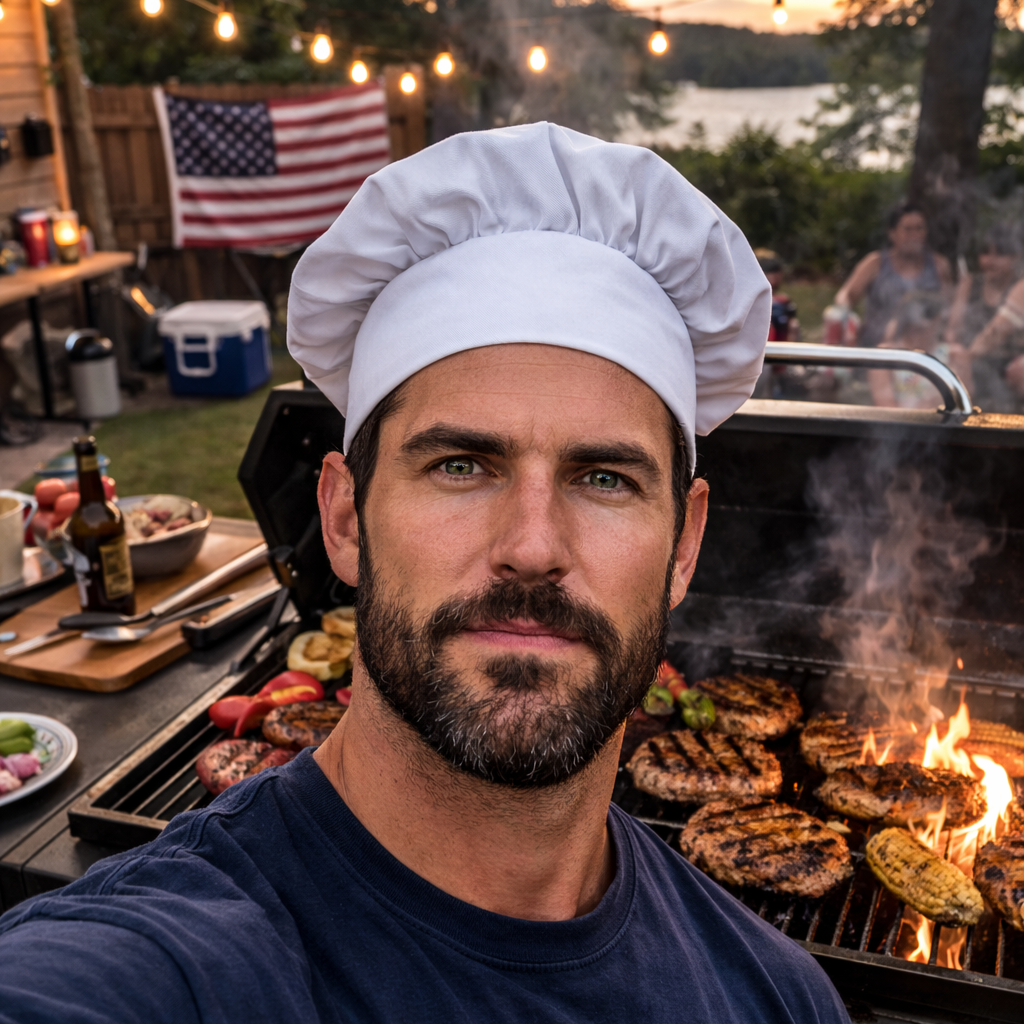
Six years as a Navy cook on submarines and destroyers, feeding 130 sailors from a galley the size of your bathroom. Now I cook the same big-flavor, no-nonsense food for my family of four — and share every recipe here. No culinary school. No fancy plating. Just real food that works, tested on the toughest critics afloat and the pickiest ones at home.
Dry Rub Ribs — No Sauce, Just Smoke, Let the Meat Do the Talking
No sauce. Just rub and smoke. Let the meat do the talking. If 3-2-1 ribs are the crowd-pleasing, saucy, fall-off-the-bone style, then dry rub ribs are the pitmaster’s choice — where the quality of the meat, the rub, and the smoke have nowhere to hide. The bark is your sauce. The smoke is your glaze. No sauce to mask anything.No sauce to mask anything. Every bite is pure spice, smoke, and pork.
The Rub
This rub is the star. It needs balance: sweet (brown sugar), savory (garlic, onion), warm (paprika, cumin), and a bite (black pepper, cayenne). Mix 3 tablespoons brown sugar, 2 tablespoons paprika, 1 tablespoon garlic powder, 1 tablespoon onion powder, 1 tablespoon black pepper, 1 teaspoon cumin, 1 teaspoon kosher salt, 1/2 teaspoon cayenne. This makes enough for 2 racks. The brown sugar caramelizes during smoking and forms a dark, slightly sweet bark that’s the hallmark of competition-style ribs.
Ingredients
2 racks baby back ribs (or spare ribs), dry rub (recipe above), yellow mustard as binder (optional), apple cider vinegar for spritzing.
How to Make Them
Remove the membrane from the back of each rack. Apply a thin coat of yellow mustard as a binder (optional but helps the rub adhere). Apply the rub generously on all surfaces — front, back, and sides. Let the racks sit for 30 minutes at room temperature while the smoker heats.
Smoke at 225°F for 5-6 hours with your chosen wood (apple, cherry, or hickory). No wrapping. No foil. No braising liquid. This is the unwrapped method — the ribs cook entirely exposed to the smoke, which develops a thicker, more textured bark than the wrapped method.
Spritz with apple cider vinegar every hour after the first 2 hours. This adds moisture to the surface and helps build the bark without adding sweetness.
The ribs are done when the meat has pulled back from the bones about 1/4 to 1/2 inch and the internal temperature is 190-200°F. They should bend when picked up with tongs and the surface should crack slightly but the meat should not fall off the bone.
Wrapped vs. Unwrapped
The 3-2-1 method wraps in foil for 2 hours, which braises the ribs and produces fall-off-the-bone tenderness. Dry rub ribs typically skip the wrap entirely. The result is a firmer bite with more bark — the ribs have a pull from the bone rather than falling off. This is how competition BBQ teams cook ribs, and it’s how most Texas BBQ joints serve them. Different styles, both excellent.
The Bark
Without sauce, the bark becomes the most important element. It should be dark — almost black in spots — with a slightly crispy texture that gives way to tender, juicy meat underneath. Good bark comes from: a rub with sugar that caramelizes, consistent low heat, enough time for the Maillard reaction, and not wrapping in foil. If your bark is pale and soft, your smoker temperature was too low or the cook was too short.
Wood Choice
Cherry wood gives ribs a beautiful mahogany color and mild, slightly sweet smoke — my top choice for dry rub ribs because the subtle sweetness from the wood replaces the sweetness you’d normally get from sauce. Apple is similar but milder. Hickory adds assertive, traditional BBQ smokiness. Use one wood or blend two for complexity.
Serve With
Classic coleslaw, baked beans, grilled corn, cornbread muffins. The sides add the moisture and contrasting flavors that sauce would normally provide. That’s the beauty of a well-built BBQ plate — every component serves a purpose.
Competition-Style Bite
In BBQ competitions, judges want ribs with a “clean bite” — when you bite into a rib, the meat should pull cleanly from the bone, leaving a smooth bite mark. Fall-off-the-bone ribs are actually a negative in competition because they indicate overcooking. The unwrapped method in this recipe produces that competition-style bite naturally. The meat is tender and flavorful but still has structure and pull.
The Spritz
Spritzing with apple cider vinegar serves multiple purposes: it adds moisture to the surface to prevent the bark from drying out and cracking, the acidity helps tenderize the outer layer, and the evaporation of the liquid contributes to better bark formation through the Maillard reaction. Don’t spritz during the first 2 hours — the rub needs time to set without being disturbed. After that, a quick spritz every 45-60 minutes keeps everything on track.
Making Your Own Rub
The rub recipe in this article is a great starting point, but the beauty of dry rub ribs is customization. Keep a journal of your rub experiments — adjust the brown sugar (sweeter vs. more savory), the cayenne (hotter vs. milder), or add unique ingredients like coffee grounds (earthy depth), cocoa powder (dark complexity), or ground mustard (tangy sharpness). Every pitmaster’s rub is different, and finding your signature blend is part of the fun.
Time and Temperature
At 225°F, unwrapped baby back ribs take 5-6 hours. Spare ribs take 6-7 hours because they’re larger and fattier. Start checking for doneness at the 5-hour mark by picking up the rack with tongs in the center — it should bend and the bark should crack. Use a toothpick or probe to test tenderness in the meat between the bones. When the probe slides in with minimal resistance, the ribs are done. Every smoker runs differently, so temperature readings at the meat level matter more than the dial on the smoker.
Frequently Asked Questions
How are these different from regular smoked ribs?
No wrapping phase and no sauce. The ribs spend the entire cook exposed to smoke, building maximum bark. They have a firmer bite and more pronounced smoke and rub flavor.
Can I add sauce at the end?
Of course — it’s your dinner. Serve sauce on the side for people who want it. But try them without sauce first. You might be surprised how satisfying they are with just the rub and smoke.
What temp for dry rub ribs?
225°F is the standard. Low and slow allows the fat to render, the connective tissue to break down, and the bark to develop properly. Don’t rush it — higher temperatures dry out the ribs before they tenderize.
Spare Ribs vs. Baby Backs for Dry Rub
Baby backs are leaner, smaller, and cook faster (5-6 hours). Spare ribs are larger, fattier, and more forgiving (6-7 hours). For dry rub ribs specifically, spare ribs have an advantage: their higher fat content keeps the meat moist during the long unwrapped cook, and the larger surface area develops more bark. Baby backs are excellent but require more attention to prevent drying out without the protective wrap phase.
The Overnight Cook Method
Start the ribs at midnight at 225°F. By 6-7 AM, they’re done. This overnight approach works beautifully for dry rub ribs because the unwrapped method requires no intervention — no wrapping at a specific time, no sauce application. Just set the smoker, put the ribs on, and go to sleep. Check them in the morning. For smokers with reliable temperature control (pellet smokers, electric smokers), this is the most convenient way to have ribs ready for a lunch gathering without waking at dawn.
Competition BBQ Judging Criteria
In KCBS (Kansas City Barbeque Society) competitions, ribs are judged on appearance, taste, and tenderness. The ideal competition rib has a dark, glossy bark, meat that pulls cleanly from the bone with a gentle tug (not falling off), and balanced flavor from the rub and smoke without any single element dominating. Dry rub ribs align perfectly with these criteria because the rub and smoke are the entire flavor story — nothing masked by sauce.
More From Off The Galley
Texas Brisket · Baby Back Ribs · Pulled Pork · Grilled Chicken Thighs · Cheese Quesadillas
Off the Galley Mike
Mike — Off The Galley
Six years as a Navy cook on submarines and destroyers, feeding 130 sailors from a galley the size of your bathroom. Now I cook the same big-flavor, no-nonsense food for my family of four — and share every recipe here. No culinary school. No fancy plating. Just real food that works, tested on the toughest critics afloat and the pickiest ones at home.