
Burnt Ends
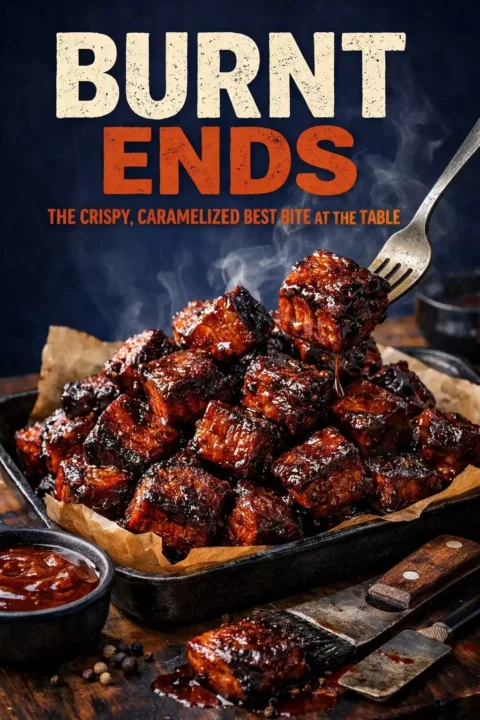
The crispy, caramelized tips of the brisket. BBQ candy. The best bite at the table. Burnt ends originated at Arthur Bryant’s in Kansas City — the crispy, overcooked edges of the brisket that the pit c
Ingredients
- 1 brisket point (5-7 pounds)
- salt
- pepper
- garlic powder
- 1/2 cup BBQ sauce
- 2 tablespoons butter
- 2 tablespoons brown sugar
- 1 tablespoon honey
- hardwood for smoking (oak
- hickory
- or pecan)
Method
Phase 1: Smoke the point (6-8 hours)
-
If using a whole packer brisket, separate the point from the flat before cooking by running a knife through the fat vein between the two muscles. Season the point with equal parts salt, pepper, and garlic powder. Smoke at 225-250°F until the internal temperature reaches 195°F and a probe slides in easily. This is the same process as making Texas brisket.
-
If you’ve already smoked a whole brisket, separate the point after the initial cook and use it for burnt ends while slicing the flat.
Phase 2: Cube (5 minutes)
-
Remove the point from the smoker. Cut against the grain into 1-inch cubes. Remove any large pieces of unrendered fat — the remaining intramuscular fat will provide plenty of moisture and flavor.
Phase 3: Sauce and smoke again (1.5-2 hours)
-
Place the cubes in a foil pan. Toss with BBQ sauce, butter, brown sugar, and honey. Return the uncovered pan to the smoker at 250°F for 1.5-2 hours, stirring every 30 minutes. The sauce reduces, the sugar caramelizes, and the cubes develop a sticky, lacquered exterior that’s the hallmark of great burnt ends.
-
The burnt ends are done when the sauce has thickened into a glaze, the cubes are tender enough to cut with a fork, and every surface is caramelized. They should jiggle when you shake the pan — that’s the rendered fat and gelatin telling you they’re perfect.



Off the Galley Mike
Mike — Off The Galley
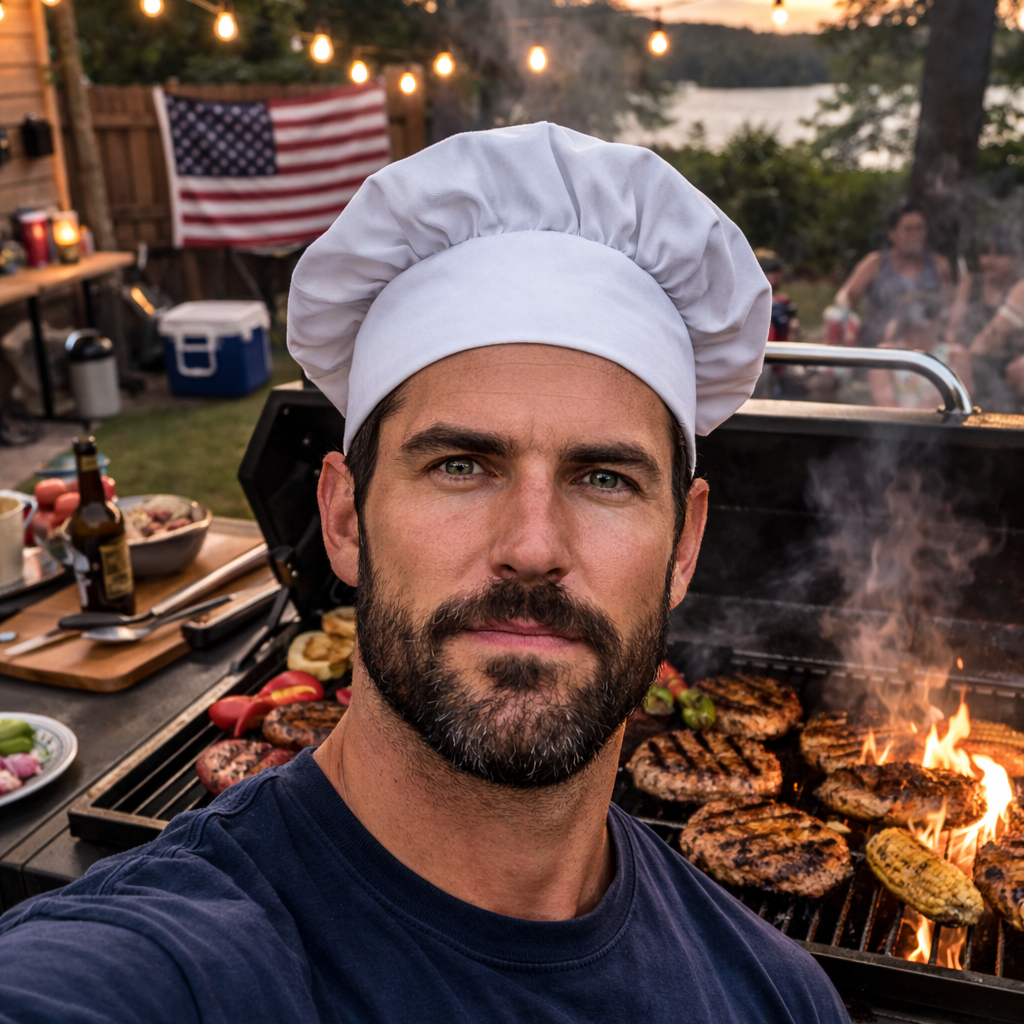
Six years as a Navy cook on submarines and destroyers, feeding 130 sailors from a galley the size of your bathroom. Now I cook the same big-flavor, no-nonsense food for my family of four — and share every recipe here. No culinary school. No fancy plating. Just real food that works, tested on the toughest critics afloat and the pickiest ones at home.
Burnt Ends — The Crispy, Caramelized Best Bite at the Table
The crispy, caramelized tips of the brisket. BBQ candy. The best bite at the table. Burnt ends originated at Arthur Bryant’s in Kansas City — the crispy, overcooked edges of the brisket that the pit crew snacked on. Customers noticed, started requesting them, and burnt ends became one of the most coveted items in American BBQ. Today, they’re made intentionally by cubing the brisket point, tossing in sauce and butter, and smoking until caramelized and sticky.
Why the Point
A whole packer brisket has two muscles: the flat (lean) and the point (fatty). The point has significantly more intramuscular fat and connective tissue than the flat. When cubed and cooked further, this fat renders completely and the connective tissue converts to gelatin, creating meat that’s simultaneously tender, juicy, and caramelized on every surface. The flat is too lean for burnt ends — it would dry out during the extended second cook.
Ingredients
1 brisket point (5-7 pounds), salt, pepper, garlic powder, 1/2 cup BBQ sauce, 2 tablespoons butter, 2 tablespoons brown sugar, 1 tablespoon honey, hardwood for smoking (oak, hickory, or pecan).
How to Make Them
1
1Phase 1: Smoke the point (6-8 hours)
If using a whole packer brisket, separate the point from the flat before cooking by running a knife through the fat vein between the two muscles. Season the point with equal parts salt, pepper, and garlic powder. Smoke at 225-250°F until the internal temperature reaches 195°F and a probe slides in easily. This is the same process as making Texas brisket.
If you’ve already smoked a whole brisket, separate the point after the initial cook and use it for burnt ends while slicing the flat.
2
2Phase 2: Cube (5 minutes)
Remove the point from the smoker. Cut against the grain into 1-inch cubes. Remove any large pieces of unrendered fat — the remaining intramuscular fat will provide plenty of moisture and flavor.
3
3Phase 3: Sauce and smoke again (1.5-2 hours)
Place the cubes in a foil pan. Toss with BBQ sauce, butter, brown sugar, and honey. Return the uncovered pan to the smoker at 250°F for 1.5-2 hours, stirring every 30 minutes. The sauce reduces, the sugar caramelizes, and the cubes develop a sticky, lacquered exterior that’s the hallmark of great burnt ends.
The burnt ends are done when the sauce has thickened into a glaze, the cubes are tender enough to cut with a fork, and every surface is caramelized. They should jiggle when you shake the pan — that’s the rendered fat and gelatin telling you they’re perfect.
The Kansas City Touch
Kansas City burnt ends are sweet and saucy — the BBQ sauce and brown sugar create a candy-like coating. If you prefer a less sweet approach, reduce the brown sugar and honey and use a more vinegar-forward sauce. Or skip the sauce entirely and toss the cubes with just butter and a dry rub for a Texas-influenced version.
The “Poor Man’s” Burnt Ends Alternative
Brisket is expensive and the full burnt ends process takes 10+ hours. For a quicker version, use a 3-4 pound chuck roast instead. Season, smoke at 275°F until 195°F internal (about 4-5 hours), cube, sauce, and return to the smoker for 1-2 hours. Chuck has similar fat and connective tissue to the brisket point and produces surprisingly good results at a fraction of the cost and time.
Serve With
As an appetizer with toothpicks. On top of mac and cheese. On slider buns with pickles and onion. Over rice. On nachos. Or just straight from the pan — burnt ends rarely make it to a plate because people eat them standing around the smoker.
The Timeline
Making burnt ends is a day-long project. Here’s a realistic timeline:
6:00 AM: Fire up the smoker to 225°F. Season the brisket point.
6:30 AM: Point goes on the smoker.
12:30-2:30 PM: Point reaches 195°F (6-8 hours). Remove from smoker.
2:30 PM: Cube the point. Toss with sauce, butter, brown sugar.
2:45 PM: Cubed burnt ends return to the smoker at 250°F.
4:15-4:45 PM: Burnt ends are caramelized and done (1.5-2 hours).
Total time: about 10-11 hours. Hands-on time: about 30 minutes total. The smoker does the work.
BBQ Meat Candy
People call burnt ends “BBQ meat candy” because the combination of caramelized sugar, rendered fat, and concentrated smoke flavor creates something that’s more like confection than traditional barbecue. Each cube has a sticky, sweet exterior and a meltingly tender interior where the fat has completely rendered into the meat. The first time you eat a properly made burnt end, you’ll understand why Kansas City built a reputation on this single preparation.
The Whole Brisket Approach
If you’re already making a whole smoked brisket, burnt ends are a natural byproduct. Smoke the whole packer brisket as normal. When it’s done and rested, separate the point from the flat. Slice the flat for serving. Cube the point and run it through the burnt ends process (sauce, smoke for 1.5-2 hours). This way you get sliced brisket AND burnt ends from a single cook. It’s the optimal use of a packer brisket.
Why This Is Worth the Effort
Burnt ends are the most time-intensive recipe on this entire site. They require an all-day commitment to the smoker. But pound for pound, they produce the single most flavorful bite in American BBQ. If you’ve smoked brisket and ribs, burnt ends are the next level — the advanced class that proves you’ve mastered the fundamentals. And when you set a pan of glistening, sticky, smoky meat cubes on the table and watch them disappear in 5 minutes, the 10-hour investment feels like a bargain.
Storage
Burnt ends reheat well. Store in an airtight container for up to 3 days. Reheat in a 300°F oven for 15-20 minutes, adding a splash of beef broth to prevent drying. They also freeze well for up to 2 months.
Frequently Asked Questions
Can I make burnt ends from a whole brisket?
Yes. Smoke the whole packer brisket as normal. When it’s done, separate the point from the flat. Slice the flat for serving. Cube the point and continue with the burnt ends process.
What makes them “burnt”?
They’re not actually burnt. The name comes from the dark, caramelized exterior that looks charred but is actually deeply flavored crust from the Maillard reaction and caramelized sugars.
Pork Belly Burnt Ends Alternative
If brisket is too expensive or too time-consuming, pork belly burnt ends are an excellent shortcut. Cut raw pork belly into 1-inch cubes. Season with your favorite rub. Smoke at 250°F for 2 hours. Toss with BBQ sauce, brown sugar, and butter. Return to the smoker for 1 more hour until caramelized. Total time: 3 hours versus 10+ for brisket burnt ends. The pork belly version is fattier, richer, and has a different but equally addictive flavor. It’s become so popular that many BBQ restaurants now offer both versions.
Sauce Selection for Burnt Ends
The sauce you choose dramatically impacts the final flavor. A sweet, thick Kansas City-style sauce (like our homemade BBQ sauce) creates the classic candy-like coating. A thinner, tangier Carolina-style sauce produces a sharper, less sweet result. A spicy chipotle sauce adds smoky heat. The sauce caramelizes during the final smoke phase, so choose one whose flavor you want concentrated and intensified. Sweeter sauces caramelize more dramatically. Vinegar-based sauces create a tangier, less sticky finish.
Competition Burnt Ends
In BBQ competitions, burnt ends are often served as a separate category or as the “chef’s special” that judges and spectators seek out. Competition-level burnt ends have a specific texture: the exterior should be sticky and lacquered, the interior should be melt-in-your-mouth tender, and each cube should jiggle when the pan is shaken — indicating that the fat and connective tissue have fully rendered into gelatin.
More From Off The Galley
Texas Brisket · Baby Back Ribs · Pulled Pork · Grilled Chicken Thighs · Chicken Pot Pie