
Perfect Burger Patty
80/20 beef, salt, pepper. Don’t press it. Don’t overthink it. The perfect burger patty requires no special ingredients, no secret techniques, and no food science degree. It requires good beef, proper

Off the Galley Mike
Mike — Off The Galley
Six years as a Navy cook on submarines and destroyers, feeding 130 sailors from a galley the size of your bathroom. Now I cook the same big-flavor, no-nonsense food for my family of four — and share every recipe here. No culinary school. No fancy plating. Just real food that works, tested on the toughest critics afloat and the pickiest ones at home.
Perfect Burger Patty — 80/20 Beef, Salt, Pepper, Don’t Overthink It
80/20 beef, salt, pepper. Don’t press it. Don’t overthink it. The perfect burger patty requires no special ingredients, no secret techniques, and no food science degree. It requires good beef, proper seasoning, and the discipline to leave the patty alone while it cooks. I’ve watched grown adults press their burgers with a spatula like they’re trying to extract information from it. All they’re extracting is juice, flavor, and moisture. Just stop. Put the spatula down. Walk away for 4 minutes and come back to flip.That’s the hard part — not fiddling with it.
The Beef
80/20 ground chuck is the ideal fat-to-lean ratio for burgers. The 20% fat keeps the patty moist during cooking and provides flavor. 90/10 makes a dry, disappointing burger. 70/30 is greasy and falls apart. 80/20 is the sweet spot that’s been proven by every burger joint worth eating at.
Ingredients
1.5 pounds ground beef (80/20), 1 teaspoon kosher salt, 1/2 teaspoon black pepper. That’s the whole list.
How to Form Them
Divide the beef into 4 portions (6 oz each for thick burgers) or 8 portions (3 oz each for smash-style). Form into patties about 3/4 inch thick. Don’t overwork the meat — handle it gently and just enough to hold the shape. Overworking develops the proteins and makes the patty dense and tough. Press a thumb dimple into the center of each patty. This prevents the burger from puffing up into a dome during cooking.
How to Cook Them
Season the outside of the formed patties with salt and pepper right before cooking — not mixed into the meat. Salt on the surface creates a flavorful crust. Salt mixed in creates a sausage texture. This is the single biggest mistake people make with burger patties.
Grill or cook in a cast iron skillet over high heat. 4 minutes per side for medium, 3 minutes for medium-rare. Don’t press the patty with a spatula while it cooks — pressing squeezes out the juices, which is the exact opposite of what you want. Flip once. Add cheese after flipping and close the lid to melt.
The Dimple Explained
When a burger patty cooks, the edges contract faster than the center, pushing the middle upward into a dome. The dimple compensates for this — as the edges contract, the center rises to level, giving you a flat patty instead of a ball. Make the dimple about 1/4 inch deep and as wide as your thumb.
Don’t Season Inside the Meat
This bears repeating: salt and pepper go on the outside of the formed patty, not mixed into the ground beef. Mixing salt into the meat before forming dissolves the proteins and creates a bouncy, sausage-like texture. Season the surface generously right before it hits the heat.
Serve With
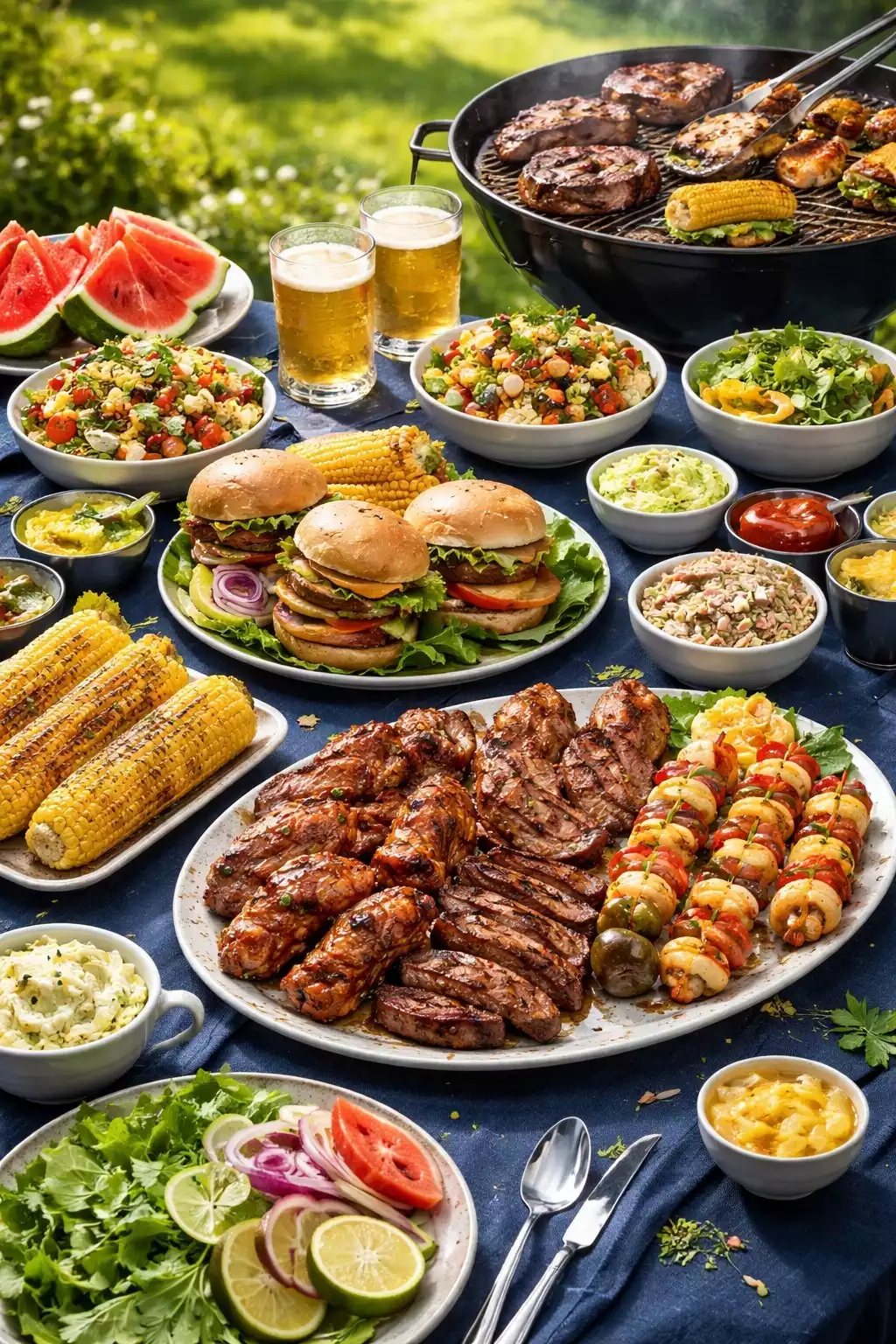
Everything else in our grilling collection: grilled corn, coleslaw, fries, baked beans. Or build the ultimate copycat burger with our Big Mac or Animal Style recipes.
Cast Iron vs. Grill
Both produce great burgers, but the results are different. A grill gives you char lines, smoke flavor, and that classic backyard taste. A cast iron skillet gives you an even, flat crust across the entire surface — more like a diner burger. For smash burgers, cast iron is essential because you need a flat surface to press against. For thick pub-style burgers, the grill is ideal because the fat drips away instead of pooling.
The Cheese Melt
Add cheese immediately after flipping. Close the lid (grill) or cover the skillet with a lid or inverted bowl. The trapped steam melts the cheese in about 1 minute. For American cheese, 30 seconds is enough — it melts at a lower temperature than harder cheeses. For cheddar or Swiss, give it the full minute. The goal is a molten blanket of cheese that drapes over the edges of the patty.
Sizing Guide
Smash burgers: 2-3 oz balls, smashed thin. Two patties per burger for a double stack.
Classic backyard: 6 oz patties, 3/4 inch thick. One patty per burger with standard toppings.
Pub style: 8 oz patties, 1 inch thick. One thick patty with premium toppings (blue cheese, caramelized onions, bacon).
Meal Prep Patties
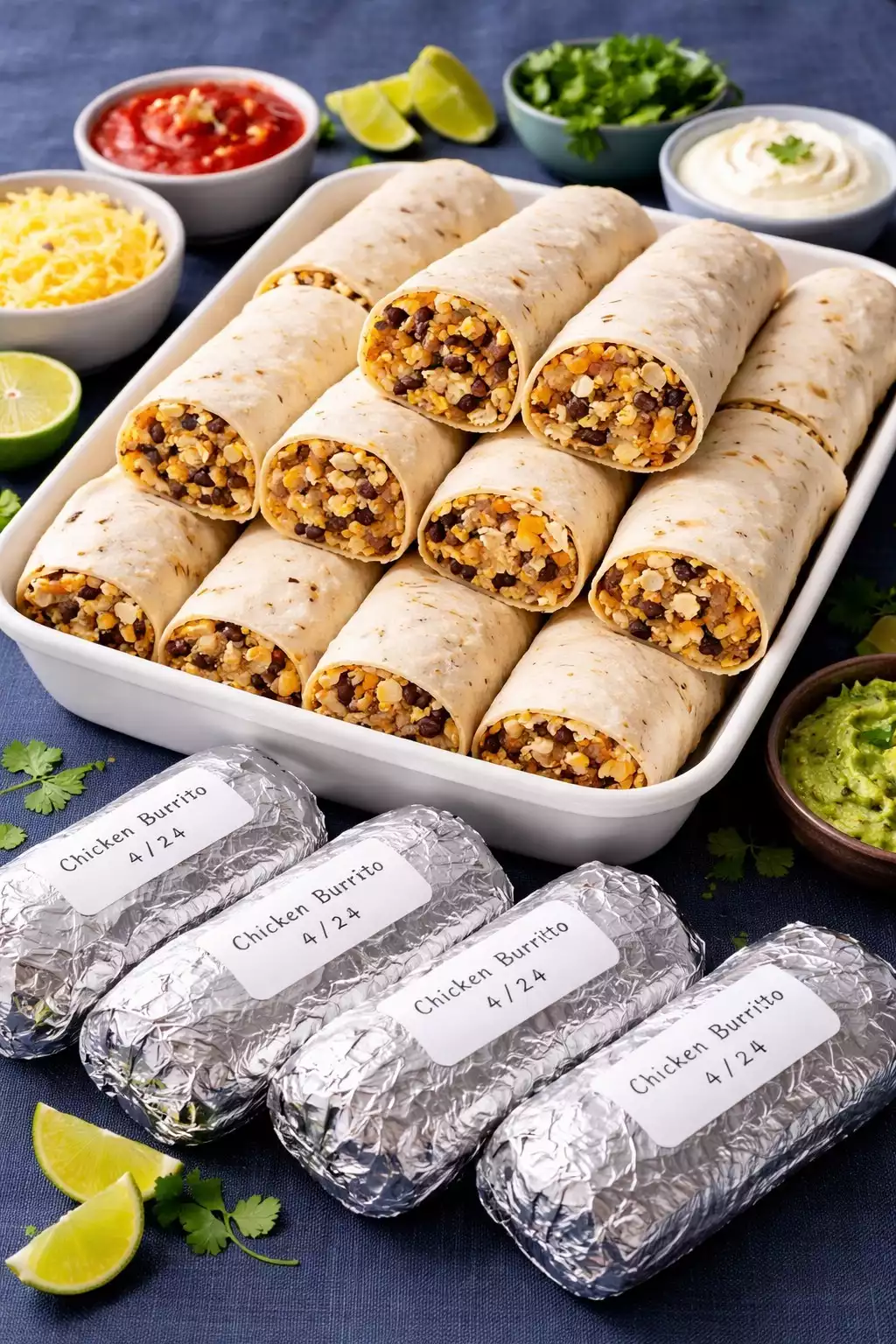
Form patties, stack between parchment paper, and freeze in a zip-lock bag. They keep for 3 months. Cook from frozen — add 2 minutes per side and use indirect heat initially to thaw the center before moving to direct heat for the crust. Having pre-formed patties in the freezer means burger night is always 15 minutes away. I keep 10-12 patties frozen at all times and it’s one of the best meal prep moves I’ve made.
The Smash Burger Variation
For smash burgers, the technique changes completely. Form 2-3 oz balls of beef (not patties). Heat a cast iron skillet or flat griddle until smoking hot. Place a ball on the surface and immediately press it flat with a sturdy spatula or burger press — push hard and hold for 10 seconds. The extreme contact with the hot surface creates a Maillard reaction crust that is aggressively flavorful. Cook 2 minutes, scrape and flip, add cheese, cook 1 more minute. Stack two patties per burger. This is a fundamentally different burger than a thick grilled patty — thinner, crustier, more caramelized, and arguably more flavorful per ounce.
The key to smash burgers is the initial press. You have about 30 seconds from when the ball hits the surface to smash it. After that, the proteins start to set and the ball won’t smash flat. Don’t hesitate — commit to the smash immediately and with authority.
Seasoning Timing Experiment
Try this test: make two patties from the same beef. Mix salt into one before forming. Season the other on the outside only after forming. Cook both the same way. The externally seasoned patty will have a looser, more tender texture with a seasoned crust. The internally seasoned patty will be denser and more uniform — like a sausage. Once you taste the difference, you’ll never mix salt into burger meat again.
The Bun Matters
A great patty on a cheap, squishy bun is a waste. Toast your buns — cut side down on the grill for 30-60 seconds or in a buttered skillet for 1 minute. Toasting creates a barrier that prevents the bun from absorbing juices and going soggy. Brioche buns are rich and slightly sweet. Martin’s potato rolls are soft and classic. Pretzel buns are sturdy and salty. All three are excellent. Wonder bread is not.
Building the Complete Burger
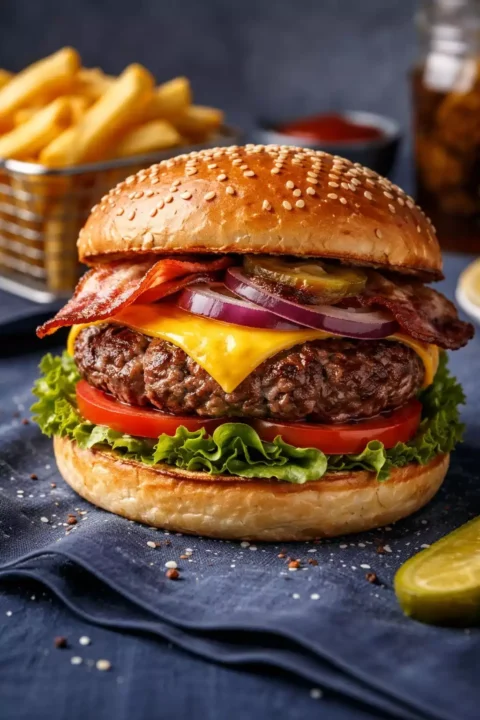
Bottom bun, sauce (ketchup, mustard, or special sauce), lettuce, patty with melted cheese, tomato, onion, pickles, top bun. The sauce goes on the bottom bun to create a moisture barrier that prevents the bun from getting soggy. Lettuce under the patty serves the same purpose. Wet toppings (tomato, pickles) go on top of the cheese where they can’t make the bun soggy.
Frequently Asked Questions
Should I add egg or breadcrumbs?
No. That makes a meatloaf patty, not a burger. Good beef with proper fat content holds together without binders.
Fresh or frozen for grilling?
Fresh is better for even cooking. If cooking from frozen, use a lower heat and add time. Frozen patties work fine for weeknight dinners when convenience matters.
What’s the best cheese for burgers?
American for classic melt-over-everything. Cheddar for sharper flavor. Pepper jack for heat. Blue cheese for boldness. Swiss for a nuttier profile. There is no wrong answer.
The Cookout Burger Assembly Line
For feeding 10+ people, set up an assembly line: form all patties ahead of time (layer between parchment paper on a sheet pan, refrigerate), prep all toppings in bowls, toast all buns at once in the last 2 minutes of grilling. Grill in batches of 4-6 patties. Add cheese during the last minute with the lid closed. This systematic approach means everyone eats within 10 minutes of each other instead of the staggered, chaotic “one burger at a time” approach that leaves early eaters waiting and late eaters rushing.
More From Off The Galley
Texas Brisket · Baby Back Ribs · Pulled Pork · Grilled Chicken Thighs · Breakfast Burritos
Off the Galley Mike
Mike — Off The Galley
Six years as a Navy cook on submarines and destroyers, feeding 130 sailors from a galley the size of your bathroom. Now I cook the same big-flavor, no-nonsense food for my family of four — and share every recipe here. No culinary school. No fancy plating. Just real food that works, tested on the toughest critics afloat and the pickiest ones at home.