
Salsa Roja
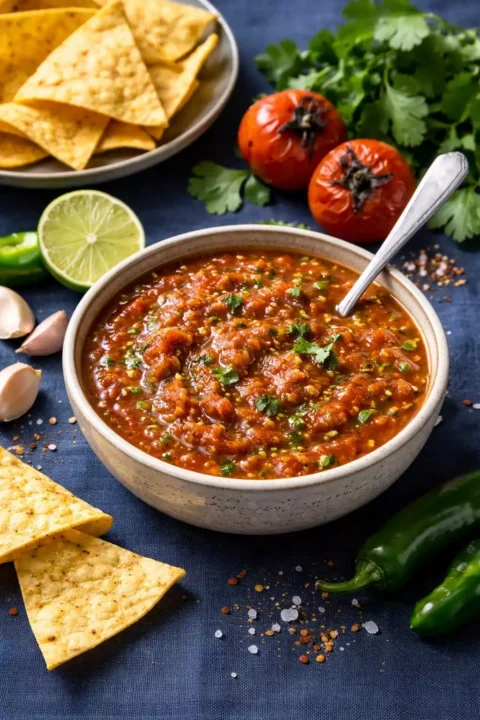
Roasted tomatoes, jalapeños, garlic, blended. Better than any jar and takes ten minutes. The difference between jarred salsa and homemade roasted salsa is the difference between a photograph of a suns
Ingredients
- 6 Roma tomatoes (halved)
- 2 jalapeños (halved
- seeds removed for mild)
- 1/2 white onion (quartered)
- 4 cloves garlic (unpeeled)
- juice of 1 lime
- 1/4 cup fresh cilantro
- 1/2 teaspoon salt
- 1/4 teaspoon cumin
Method
-
Set the oven to broil. Place tomatoes (cut side down), jalapeños, onion quarters, and garlic cloves on a foil-lined baking sheet. Broil on the top rack for 5-7 minutes until charred and blistered. Flip and broil another 3-5 minutes. The tomatoes should be blackened in spots and softened.
-
Let cool slightly. Peel the garlic cloves. Transfer everything to a blender or food processor. Add lime juice, cilantro, salt, and cumin. Pulse to your desired consistency — chunky (3-4 pulses) or smooth (blend for 15-20 seconds). Taste and adjust salt, lime, and heat.
Off the Galley Mike
Mike — Off The Galley
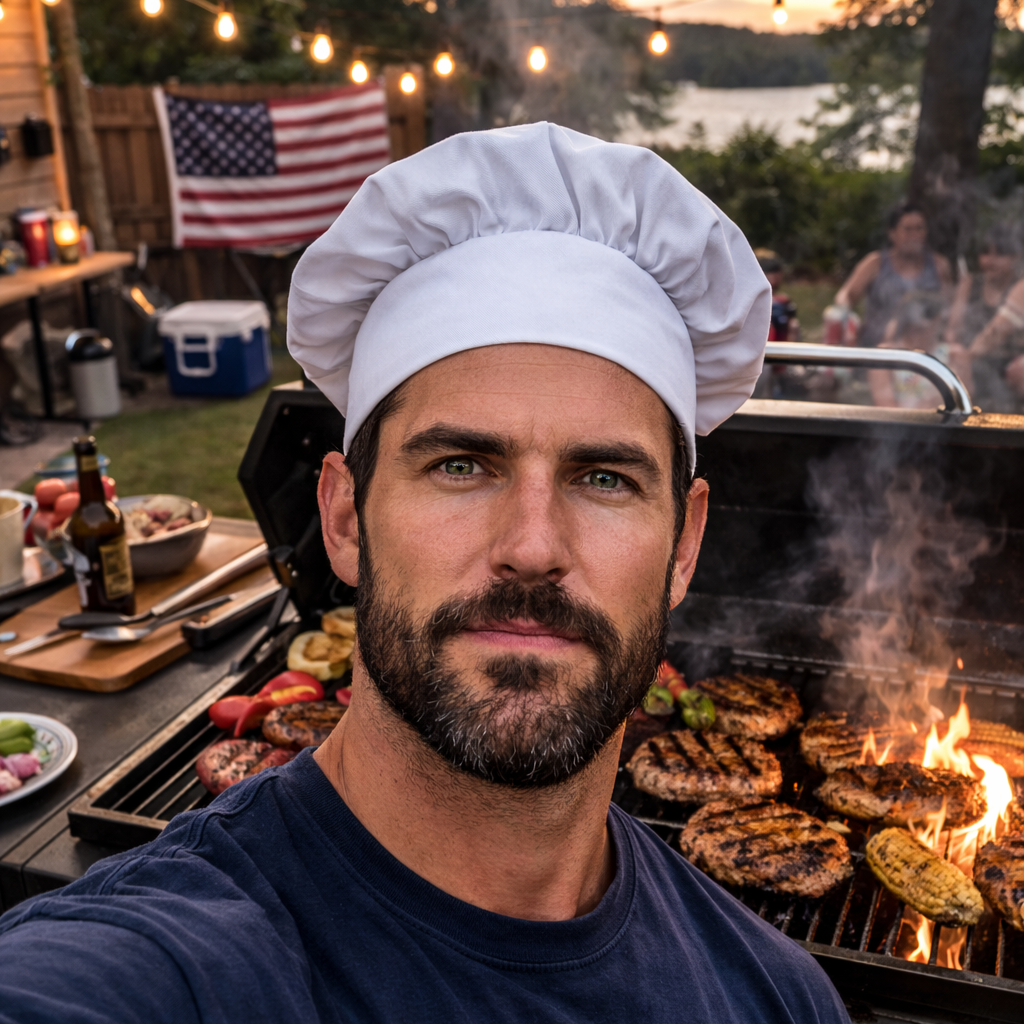
Six years as a Navy cook on submarines and destroyers, feeding 130 sailors from a galley the size of your bathroom. Now I cook the same big-flavor, no-nonsense food for my family of four — and share every recipe here. No culinary school. No fancy plating. Just real food that works, tested on the toughest critics afloat and the pickiest ones at home.
Salsa Roja — Roasted, Blended, Better Than Any Jar, Ten Minutes
Roasted tomatoes, jalapeños, garlic, blended. Better than any jar and takes ten minutes. The difference between jarred salsa and homemade roasted salsa is the difference between a photograph of a sunset and actually watching one. Jarred salsa is fine. Homemade roasted salsa is alive — charred, smoky, bright, and layered with flavor that no factory can replicate.
The Roast
Roasting under the broiler caramelizes the sugars in the tomatoes and chars the skins of the peppers, creating a depth of flavor that raw salsa can’t match. The char adds smokiness, the caramelization adds sweetness, and the heat softens everything for easy blending.
Ingredients
6 Roma tomatoes (halved), 2 jalapeños (halved, seeds removed for mild), 1/2 white onion (quartered), 4 cloves garlic (unpeeled), juice of 1 lime, 1/4 cup fresh cilantro, 1/2 teaspoon salt, 1/4 teaspoon cumin.
How to Make It
Set the oven to broil. Place tomatoes (cut side down), jalapeños, onion quarters, and garlic cloves on a foil-lined baking sheet. Broil on the top rack for 5-7 minutes until charred and blistered. Flip and broil another 3-5 minutes. The tomatoes should be blackened in spots and softened.
Let cool slightly. Peel the garlic cloves. Transfer everything to a blender or food processor. Add lime juice, cilantro, salt, and cumin. Pulse to your desired consistency — chunky (3-4 pulses) or smooth (blend for 15-20 seconds). Taste and adjust salt, lime, and heat.
The Consistency Spectrum
Chunky (pico-style): Pulse 3-4 times. Visible tomato and onion pieces. Best for scooping with chips.
Restaurant-style: Pulse 8-10 times. Some texture but mostly blended. The most versatile consistency.
Smooth: Blend 15-20 seconds. Pourable, uniform. Best for enchilada sauce or cooking.
Heat Control
Jalapeños with seeds and membranes removed produce mild salsa. Leave some seeds for medium. Leave all seeds and membranes for hot. For very mild, use only one jalapeño. For serious heat, add a serrano or habanero. Taste a small piece of the raw pepper before adding to gauge the heat level of your specific batch.
Serve With
Tortilla chips, carne asada tacos, tacos, nachos, breakfast burritos, enchiladas, eggs, quesadillas. Salsa goes on everything.
Storage
Keeps 7-10 days refrigerated in a sealed jar. The flavor improves overnight as the ingredients meld. Make a double batch — it goes fast. Freezes well for up to 3 months in portioned containers.
Frequently Asked Questions
Can I use canned tomatoes?
A can of fire-roasted diced tomatoes works when fresh tomatoes aren’t in season. Drain most of the liquid. The flavor is different but still far superior to jarred salsa.
Why Roma tomatoes?
Roma tomatoes have less water and more flesh than other varieties, which produces a thicker, more flavorful salsa. Beefsteak or vine-ripened tomatoes work but produce a thinner, waterier result.
The Salsa Spectrum
Pico de gallo (salsa fresca): Raw, diced, chunky. No cooking. Fresh tomato, onion, jalapeño, cilantro, lime, salt. The freshest, brightest salsa.
Salsa roja (this recipe): Roasted, blended. Smoky, deeper flavor from charring. The most versatile all-purpose salsa.
Salsa verde: Tomatillo-based, tangy, bright green. Roast tomatillos, serrano peppers, garlic, and onion. Blend with cilantro. The best pairing for chicken and pork.
Chipotle salsa: Blend canned chipotles in adobo with roasted tomatoes. Smoky, spicy, rich. Excellent on carne asada and in burrito bowls.
Each salsa has its place, and a Tex-Mex spread benefits from having 2-3 varieties on the table. This roasted salsa roja is the workhorse — the everyday salsa that works with everything from chips to eggs to tacos to enchiladas.
Batch Cooking Strategy
Make a double or triple batch every 7-10 days and keep a jar in the fridge at all times. Salsa goes on everything: scrambled eggs for breakfast, quesadillas for lunch, tacos for dinner, chips for snacking. Having fresh salsa in the fridge changes your cooking because it adds flavor to every meal with zero additional effort. The 10 minutes you spend making salsa pays dividends all week.
Adjusting Acidity
If your salsa tastes flat after blending, it needs acid. Add more lime juice, a splash at a time, until the flavors brighten and pop. Acid is the most commonly under-added ingredient in homemade salsa. If it tastes too acidic (unlikely with roasted tomatoes, which are naturally sweet), add a pinch of sugar to balance.
The Fresh vs. Roasted Debate
Fresh salsa (pico de gallo) is bright, crunchy, and clean-tasting. Roasted salsa is deeper, smokier, and more complex. Neither is better — they serve different purposes. Fresh salsa shines as a topping on tacos where you want brightness. Roasted salsa shines as a dip with chips where you want depth. Ideally, make both and use them for different applications throughout the week.
Fire-Roasted on the Grill
If the grill is already running (and it usually is in our house), skip the broiler entirely. Place whole tomatoes, jalapeños, onion halves, and garlic directly on the grill grate over medium-high heat. Grill, turning occasionally, until charred on all sides — about 8-10 minutes. The grill char produces an even deeper, smokier flavor than the broiler because the direct flame creates actual combustion rather than just radiant heat. This is my preferred method during BBQ season because I can make salsa while the brisket or ribs are smoking.
Salsa as a Cooking Ingredient
Homemade salsa isn’t just for dipping chips. Use it as a cooking sauce: simmer chicken breasts in salsa for 20 minutes for an instant taco filling. Stir into scrambled eggs. Pour over enchiladas instead of canned enchilada sauce. Mix into rice for extra flavor. Add to soups and stews for acidity and depth. A jar of homemade salsa in the fridge is one of the most versatile cooking ingredients you can have. It adds flavor to anything it touches, and because it’s already seasoned and balanced, it simplifies cooking dramatically.
How spicy is this salsa?
With seeds removed from both jalapeños: mild to medium. With seeds from one jalapeño: medium. With all seeds from both: medium-hot. Add a serrano pepper for truly hot salsa. Always taste a piece of the raw pepper first — jalapeño heat varies dramatically between individual peppers.
The Consistency Test
Dip a chip. If the salsa stays on the chip without dripping off, it’s the right consistency. If it slides off immediately, blend less or drain some liquid. If it’s too thick to scoop, add a tablespoon of water and pulse once. The chip test is the only quality control metric that matters.
Fire-Roasted on the Grill
If the grill is already running, skip the broiler entirely. Place whole tomatoes, jalapeños, onion halves, and garlic directly on the grill grate over medium-high heat. Grill, turning occasionally, until charred on all sides — about 8-10 minutes. The grill char produces an even deeper, smokier flavor than the broiler because direct flame creates actual combustion rather than just radiant heat. This is my preferred method during BBQ season.
More From Off The Galley
Carne Asada Tacos · Ground Beef Tacos · Loaded Nachos · Homemade Queso · Chicken Fried Steak
Off the Galley Mike
Mike — Off The Galley
Six years as a Navy cook on submarines and destroyers, feeding 130 sailors from a galley the size of your bathroom. Now I cook the same big-flavor, no-nonsense food for my family of four — and share every recipe here. No culinary school. No fancy plating. Just real food that works, tested on the toughest critics afloat and the pickiest ones at home.