
Classic Meatloaf
I made meatloaf twice a week for four years on a submarine. That’s not an exaggeration — that’s just how the meal rotation worked when you’re feeding 130 guys underwater and ground beef shows up on ev
Ingredients
- Nothing exotic here. If you’ve got a grocery store nearby
- you’ve got everything on this list
For the meatloaf
- 2 pounds 80/20 ground beef (the fat matters — don’t go lean)
- 2 slices white bread torn into small pieces
- 1/3 cup whole milk
- 1 large egg
- 1 small yellow onion (finely diced)
- 2 cloves garlic (minced)
- 2 tablespoons ketchup
- 1 tablespoon Worcestershire sauce
- 1 teaspoon Italian seasoning
- 1 teaspoon salt
- 1/2 teaspoon black pepper
- and a handful of fresh parsley if you’ve got it
For the glaze
- 1/2 cup ketchup
- 2 tablespoons brown sugar
- 1 tablespoon apple cider vinegar
- and 1/2 teaspoon garlic powder
- The glaze is non-negotiable. It caramelizes in the oven and turns into this sticky
- sweet-tangy crust that honestly makes the whole thing. My son eats the glaze off the top first like it’s frosting on a cake
Method
Step 1: Make the panade
-
Tear the bread into small pieces and put them in a bowl. Pour the milk over the bread and let it sit for about 5 minutes. Mash it with a fork until it’s a smooth paste. This is your insurance policy against dry meatloaf.
Step 2: Mix the meatloaf
-
Preheat your oven to 350°F. Line a rimmed baking sheet with foil or parchment paper.
-
In a large bowl, combine the ground beef, panade, egg, diced onion, garlic, ketchup, Worcestershire, Italian seasoning, salt, pepper, and parsley. Use your hands — a spoon won’t cut it here — and mix until everything is just combined. You’ll know it’s ready when you don’t see streaks of individual ingredients anymore. Stop there.
Step 3: Shape and glaze
-
Turn the mixture out onto your prepared baking sheet and shape it into a loaf about 9 inches long and 5 inches wide. Don’t pack it tight — you want it firm enough to hold its shape, but not compressed like you’re making a brick.
-
I’m a baking sheet guy, not a loaf pan guy. The baking sheet lets the heat circulate around the whole loaf so you get a crust on all sides, and the excess fat drains away instead of pooling around the meat. If you prefer a loaf pan, it’ll still work — just know you might need to drain some liquid halfway through.
-
Mix together the glaze ingredients and spread about half of it over the top of the meatloaf. Save the rest for later.
Step 4: Bake
-
Bake at 350°F for 40 minutes. Pull it out, spread the remaining glaze on top, and bake for another 15-20 minutes until the internal temperature hits 160°F and the glaze is bubbly and caramelized.
-
Let it rest for 10 minutes before you slice. I know it’s hard to wait when it smells that good, but the juices need time to redistribute. If you cut it right away, all that moisture runs out onto the cutting board instead of staying in the meat.




Off the Galley Mike
Mike — Off The Galley
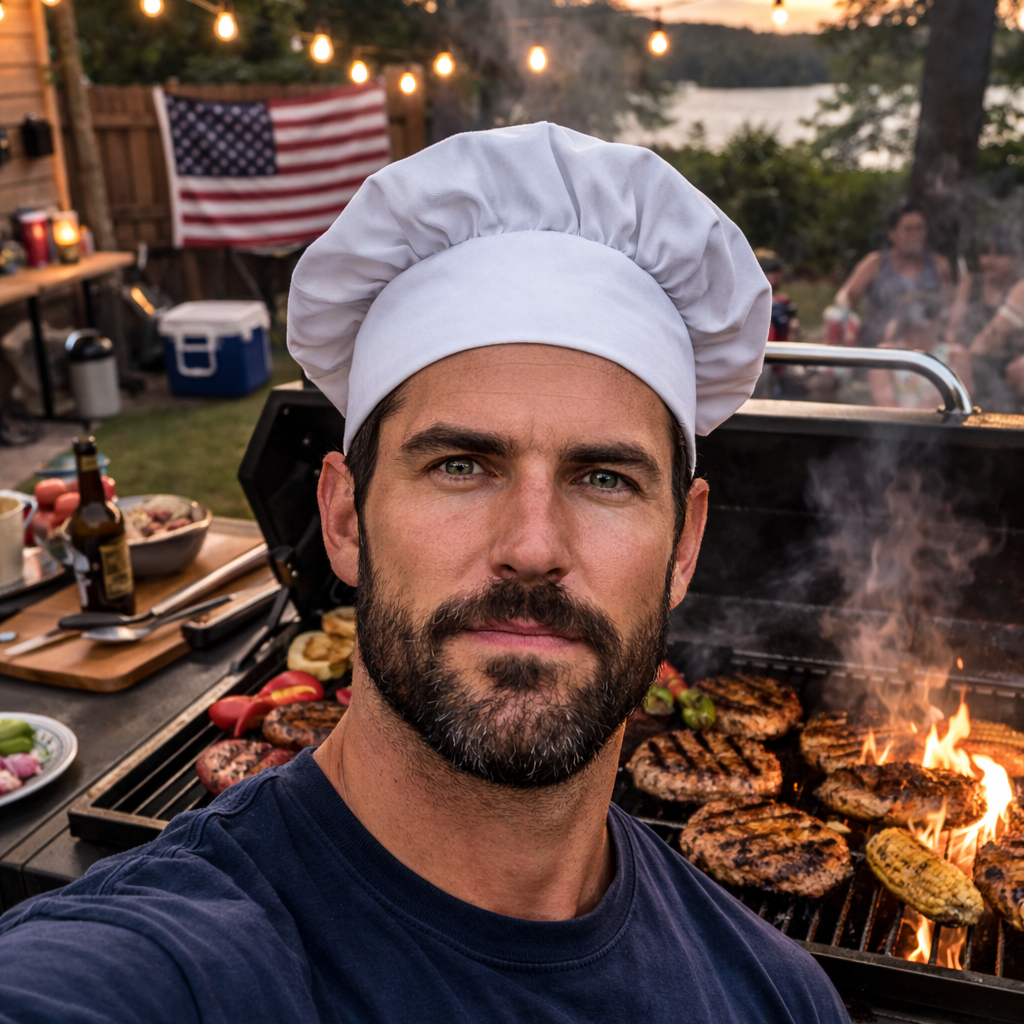
Six years as a Navy cook on submarines and destroyers, feeding 130 sailors from a galley the size of your bathroom. Now I cook the same big-flavor, no-nonsense food for my family of four — and share every recipe here. No culinary school. No fancy plating. Just real food that works, tested on the toughest critics afloat and the pickiest ones at home.
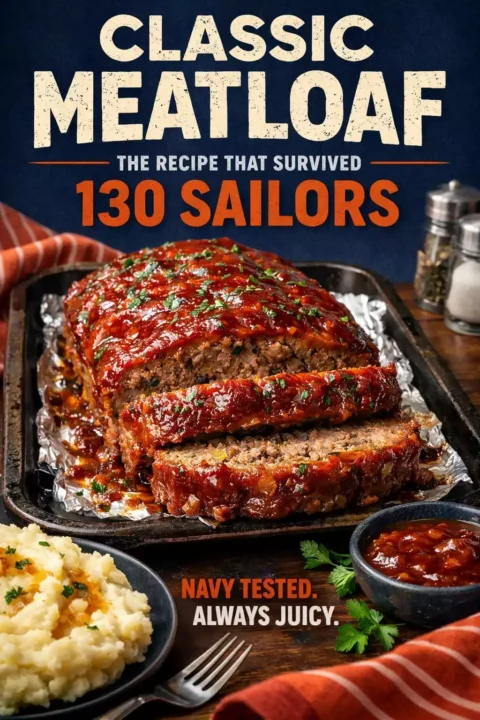
Classic Meatloaf — The Recipe That Survived 130 Sailors
I made meatloaf twice a week for four years on a submarine. That’s not an exaggeration — that’s just how the meal rotation worked when you’re feeding 130 guys underwater and ground beef shows up on every supply load. By the time I got out of the Navy, I could make meatloaf in my sleep. And honestly? I still make it at least twice a month at home because my kids request it.
Here’s the thing about meatloaf on a sub — if it’s dry, you’re going to hear about it. There’s no polite smile and pushing food around the plate. A sailor will look you dead in the eye and tell you your meatloaf tastes like cardboard. So you learn fast what works and what doesn’t.
This is the recipe that works. Every time.
Why This Meatloaf Stays Juicy
The secret isn’t some fancy ingredient. It’s a panade — which is just a ten-dollar word for bread soaked in milk. Tear up some white bread, pour milk over it, and let it sit for a few minutes until it turns into a paste. Mix that into your ground beef and it acts like a moisture sponge inside the meatloaf. It keeps everything tender even if you accidentally overcook it by a few minutes.
I learned this the hard way. My first batch in the galley, I skipped the bread-and-milk step because I thought it was unnecessary. That meatloaf came out so dense you could’ve used it as a doorstop. The senior CS pulled me aside and showed me the panade trick. Never skipped it again.
The other thing that matters: don’t overwork the meat. Mix everything until it’s just combined and stop. The more you squeeze and knead it, the tougher it gets. Think of it like this — you’re gently introducing the ingredients to each other, not trying to make them become one.
Ingredients You Need
Nothing exotic here. If you’ve got a grocery store nearby, you’ve got everything on this list.
For the meatloaf: 2 pounds of 80/20 ground beef (the fat matters — don’t go lean), 2 slices of white bread torn into small pieces, 1/3 cup whole milk, 1 large egg, 1 small yellow onion (finely diced), 2 cloves of garlic (minced), 2 tablespoons ketchup, 1 tablespoon Worcestershire sauce, 1 teaspoon Italian seasoning, 1 teaspoon salt, 1/2 teaspoon black pepper, and a handful of fresh parsley if you’ve got it.
For the glaze: 1/2 cup ketchup, 2 tablespoons brown sugar, 1 tablespoon apple cider vinegar, and 1/2 teaspoon garlic powder.
The glaze is non-negotiable. It caramelizes in the oven and turns into this sticky, sweet-tangy crust that honestly makes the whole thing. My son eats the glaze off the top first like it’s frosting on a cake.
How to Make It
1
1Make the panade
Tear the bread into small pieces and put them in a bowl. Pour the milk over the bread and let it sit for about 5 minutes. Mash it with a fork until it’s a smooth paste. This is your insurance policy against dry meatloaf.
2
2Mix the meatloaf
Preheat your oven to 350°F. Line a rimmed baking sheet with foil or parchment paper.
In a large bowl, combine the ground beef, panade, egg, diced onion, garlic, ketchup, Worcestershire, Italian seasoning, salt, pepper, and parsley. Use your hands — a spoon won’t cut it here — and mix until everything is just combined. You’ll know it’s ready when you don’t see streaks of individual ingredients anymore. Stop there.
3
3Shape and glaze
Turn the mixture out onto your prepared baking sheet and shape it into a loaf about 9 inches long and 5 inches wide. Don’t pack it tight — you want it firm enough to hold its shape, but not compressed like you’re making a brick.
I’m a baking sheet guy, not a loaf pan guy. The baking sheet lets the heat circulate around the whole loaf so you get a crust on all sides, and the excess fat drains away instead of pooling around the meat. If you prefer a loaf pan, it’ll still work — just know you might need to drain some liquid halfway through.
Mix together the glaze ingredients and spread about half of it over the top of the meatloaf. Save the rest for later.
4
4Bake
Bake at 350°F for 40 minutes. Pull it out, spread the remaining glaze on top, and bake for another 15-20 minutes until the internal temperature hits 160°F and the glaze is bubbly and caramelized.
Let it rest for 10 minutes before you slice. I know it’s hard to wait when it smells that good, but the juices need time to redistribute. If you cut it right away, all that moisture runs out onto the cutting board instead of staying in the meat.
Tips I Learned the Hard Way
Use 80/20 beef. Leaner beef makes a drier meatloaf. The fat renders out during cooking and keeps everything moist. If you’re worried about grease, that’s what the baking sheet is for — it drains away from the loaf.
Dice the onions small. Big chunks of raw onion don’t cook through all the way and they can cause the meatloaf to crack and fall apart. I mince mine pretty fine. Some people sauté them first, which works too if you’ve got the time.
Don’t skip the Worcestershire. It adds this deep, savory backbone that you can’t quite identify but you’d definitely miss if it wasn’t there. It’s one of those ingredients that makes everything taste more like itself.
Double the glaze. I’m serious. Make twice as much as you think you need. Everyone fights over the glazed pieces.
Leftovers are the point. Cold meatloaf on white bread with a little ketchup is one of the best sandwiches that exists. I wrote a whole post about the day-after meatloaf sandwich because it deserves its own moment.
What to Serve With Meatloaf
This is comfort food, so lean into it. My go-to spread is creamy mashed potatoes and some kind of green vegetable so I can tell myself we’re eating healthy. Green beans, roasted broccoli, a simple salad — whatever gets the job done.
My wife makes this thing where she puts a slice of meatloaf over mashed potatoes and pours country gravy over the whole thing. It’s obscene. It’s also the best plate of food in this house.
For something different, try it alongside skillet cornbread and a bowl of chili. That’s a cold-weather dinner that fixes whatever kind of day you had.
Variations Worth Trying
Once you’ve nailed the basic recipe, there’s room to play.
BBQ Meatloaf: Swap the ketchup glaze for your favorite BBQ sauce — or better yet, use my homemade BBQ sauce. Same method, totally different flavor profile. Outstanding with coleslaw on the side.
Bacon-wrapped: Lay strips of bacon over the top of the loaf before baking. The bacon fat bastes the meatloaf as it cooks and you get this crispy, smoky shell on the outside. It’s over the top in the best possible way.
Mexican-style: Add a diced jalapeño, a teaspoon of cumin, and swap the ketchup glaze for salsa. Top with shredded cheese in the last 5 minutes of baking. My wife made this version once and now it’s in the regular rotation alongside the ground beef tacos.
Mini meatloaves: Divide the mixture into a muffin tin for individual portions. They cook in about 25 minutes instead of an hour, and kids love having their own personal meatloaf. Plus every piece gets glaze on it, which is really the whole point.
Storage and Reheating
Leftover meatloaf keeps in the fridge for 4-5 days wrapped in foil or in an airtight container. It also freezes well — wrap individual slices in plastic wrap, then foil, and freeze for up to 3 months.
To reheat, I prefer the oven — 325°F for about 15 minutes with a little extra glaze brushed on top. The microwave works in a pinch but the texture isn’t quite the same.
Frequently Asked Questions
Can I use a different meat?
You can swap half the beef for ground pork or Italian sausage, which adds good flavor. Ground turkey works too, but bump the fat content by adding a tablespoon of olive oil to the mix — turkey on its own tends to dry out.
What if I don’t have bread for the panade?
Panko breadcrumbs or regular breadcrumbs work fine. Use about 3/4 cup of breadcrumbs soaked in the same 1/3 cup of milk. Crushed saltine crackers are another old-school option that works surprisingly well.
Why did my meatloaf fall apart?
Usually it’s one of three things — not enough egg, onion pieces too large, or the meat was too lean. Make sure you’re using 80/20 beef, dice the onions fine, and don’t skip the egg.
What internal temperature should meatloaf be?
Pull it at 160°F. It’ll carry over to 165°F while resting. Use an instant-read thermometer — guessing leads to either raw centers or dry hockey pucks, and neither is a good time.
More From Off The Galley
Chicken And Dumplings · Beef Pot Roast · Biscuits And Gravy · Chicken Pot Pie · Smash Burgers