

Off the Galley Mike
Mike — Off The Galley
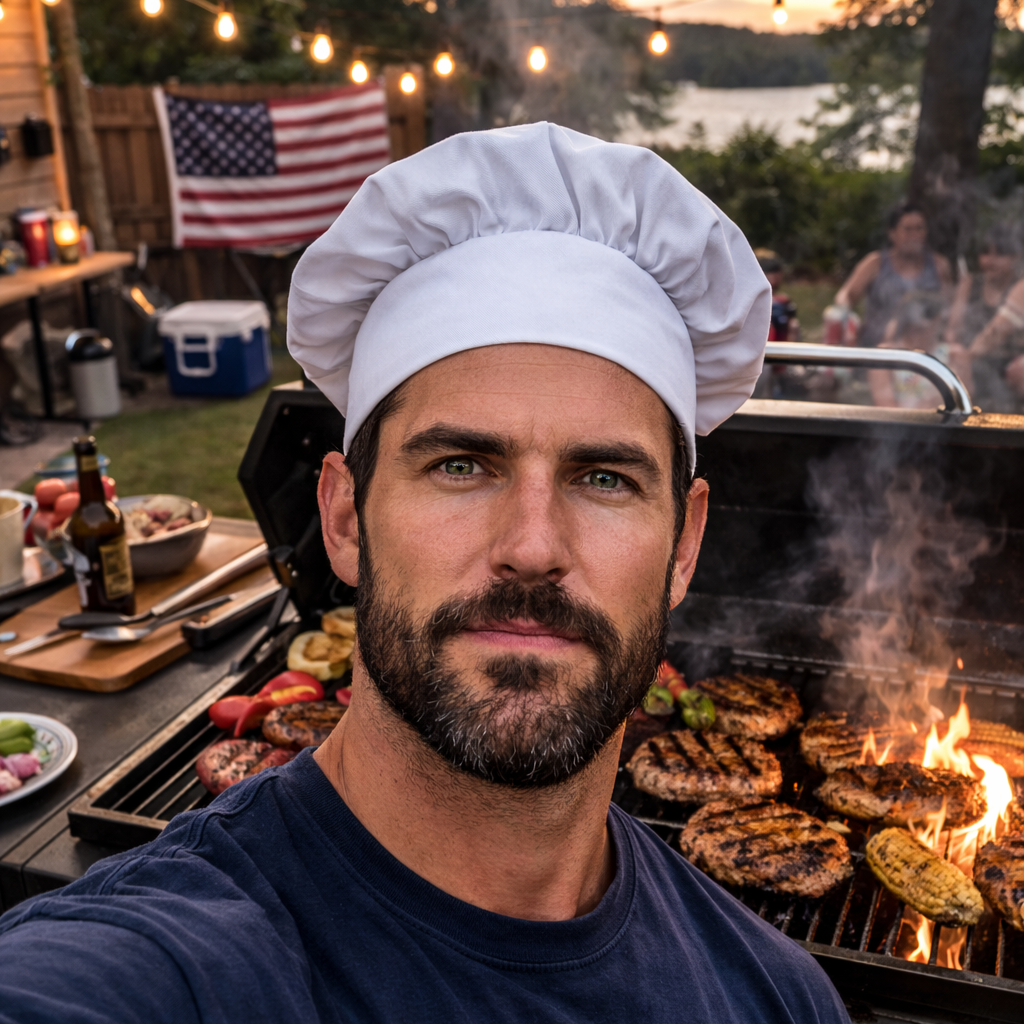
Six years as a Navy cook on submarines and destroyers, feeding 130 sailors from a galley the size of your bathroom. Now I cook the same big-flavor, no-nonsense food for my family of four — and share every recipe here. No culinary school. No fancy plating. Just real food that works, tested on the toughest critics afloat and the pickiest ones at home.
Skillet Cornbread — Cast Iron, Crispy Edges, Butter on Everything
Preheat the cast iron with butter, pour the batter in, and listen for the sizzle. That sizzle is the sound of crispy edges forming, and crispy edges are the entire point of skillet cornbread. If your cornbread doesn’t have a golden, crunchy crust on the bottom and sides, you’re just making corn cake in a pan. Nothing wrong with corn cake, but it’s not the same thing.
I make this cornbread at least once a week during soup and stew season. It goes with chili, beef stew, chicken noodle soup, loaded potato soup — basically anything that benefits from warm bread for dunking and soaking up broth. The recipe takes 5 minutes to mix and about 20 minutes to bake, which means it’s ready by the time the soup is done.
The Sweet vs Savory Debate
This is the cornbread controversy that will never be resolved. Southern purists say cornbread should have zero sugar — it’s a bread, not a cake. Northern and Western styles go sweeter, sometimes adding up to two-thirds of a cup of sugar. Both camps have valid points and I refuse to pick a side.
My recipe uses 2 tablespoons of sugar. It takes the edge off without turning it into dessert. You can leave the sugar out entirely for traditional savory cornbread, or bump it up to 1/4 cup if your family prefers it sweet. The recipe works either way.
Ingredients
1 cup yellow cornmeal, 1 cup all-purpose flour, 2 tablespoons sugar (optional, adjust to taste), 1 tablespoon baking powder, 1/2 teaspoon salt, 1 cup buttermilk, 1 large egg, 1/3 cup vegetable oil or melted butter, 3 tablespoons butter for the skillet.
How to Make It
1
1Preheat the skillet
Place 3 tablespoons of butter in an 8 or 9-inch cast iron skillet. Put the skillet in the oven and preheat to 425°F. The butter will melt and coat the pan while the oven heats — this is what creates those legendary crispy edges.
2
2Mix the batter
Whisk the cornmeal, flour, sugar, baking powder, and salt in a large bowl. In a separate bowl, whisk the buttermilk, egg, and oil. Pour wet into dry and stir just until combined — lumps are fine. Overmixing makes tough, dense cornbread.
3
3Bake
Carefully remove the hot skillet from the oven. The butter should be sizzling. Pour the batter directly into the hot buttery skillet — you should hear an immediate sizzle. This is the moment that creates the crust. Smooth the top gently and return to the oven. Bake 20-25 minutes until the top is golden and a toothpick comes out clean.
The Cast Iron Difference
Cast iron holds and distributes heat evenly, which gives you a uniform crust all around. Glass and ceramic baking dishes don’t get as hot or hold heat as well, so the crust won’t be the same. If you don’t have cast iron, a metal cake pan is the next best option — heat it with butter just like you would the skillet.
A well-seasoned cast iron pan also means your cornbread releases easily. If your skillet is properly seasoned, the cornbread should pop right out when you flip it. If not, extra butter in the pan solves the problem.
Buttermilk Is Not Optional
Buttermilk adds tanginess that regular milk doesn’t, and the acid reacts with the baking powder for a better rise. No buttermilk? Pour 1 tablespoon of white vinegar or lemon juice into a measuring cup, then fill to 1 cup with whole milk. Let it sit for 5 minutes until it curdles slightly. That’s homemade buttermilk substitute and it works great.
Add-Ins
The base recipe is perfect on its own, but here are some additions worth trying. Diced jalapeños and shredded cheddar for a Tex-Mex version. Chopped green onions for a savory bite. A handful of corn kernels (fresh, frozen, or canned) for extra corn flavor and texture. Crumbled bacon stirred into the batter. Honey drizzled on top immediately after baking.
Storage
Cornbread is best the day it’s made. Leftovers keep wrapped at room temperature for 2 days or in the fridge for up to 5 days. Don’t store in the cast iron — the moisture will affect your skillet’s seasoning. Reheat in the oven at 350°F for 10 minutes, or toast individual slices in a buttered skillet for a crispy reheated version.
Leftover Cornbread Ideas
If you have leftover cornbread — which doesn’t happen often in my house — there are some great second-life uses. Crumble it into a bowl of chili instead of crackers. Toast slices in butter for breakfast and drizzle with honey. Use it as the base for cornbread stuffing or dressing during the holidays. Crumble it into a casserole dish, pour beaten eggs and milk over it, add some sausage and cheese, and bake it into a savory cornbread breakfast casserole.
My favorite move is slicing leftover cornbread in half horizontally, buttering both sides, and griddling it in a hot skillet until crispy. Serve it alongside chili or beef stew for round two that’s arguably better than round one.
The Sizzle Test
Here’s how to know your skillet is hot enough: when you pull it out of the oven, the butter should be completely melted, bubbling gently, and coating the entire surface. Drop a tiny bit of batter in — if it sizzles immediately, you’re ready. If it just sits there quietly, the pan needs more time. The sizzle is everything. It’s what creates the crust in the first 30 seconds of contact between batter and pan, and that crust is what makes skillet cornbread different from every other cornbread.
Frequently Asked Questions
Can I use a different pan?
Yes, an 8×8 or 9×9 baking dish works. You’ll lose the signature crispy crust that cast iron provides, but the cornbread itself will taste the same. Preheat the pan with butter for the best results.
Why is my cornbread dry?
Either overbaked or overmixed. Check at 18 minutes — cornbread goes from perfect to dry quickly. And mix the batter gently; a few lumps are fine.
Yellow vs white cornmeal?
Either works. Yellow has a slightly stronger corn flavor and the classic golden color. White is milder and more traditional in the Deep South. Don’t use cornmeal mix (which has baking powder and salt already added) unless you adjust the recipe.
The Preheated Skillet Sizzle
The single most important technique for skillet cornbread: preheat the cast iron skillet with butter or bacon fat in a 425°F oven until the fat is shimmering and almost smoking. Pour the batter into the screaming hot skillet. The batter should sizzle on contact — that sizzle is the sound of the bottom crust forming instantly. This produces a golden, crispy bottom that’s the hallmark of Southern skillet cornbread and the primary reason for using cast iron.
The Bacon Fat Upgrade
Replace the butter with bacon fat for a Southern-style cornbread that has a subtle smoky, savory undertone. Save bacon fat in a jar in the fridge (it keeps for months) and use 2-3 tablespoons for the skillet and another tablespoon in the batter itself. The bacon fat adds a depth of flavor that butter can’t match.
More From Off The Galley
Classic Meatloaf · Chicken And Dumplings · Beef Pot Roast · Biscuits And Gravy · Air Fryer Fries

Off the Galley Mike
Mike — Off The Galley
Six years as a Navy cook on submarines and destroyers, feeding 130 sailors from a galley the size of your bathroom. Now I cook the same big-flavor, no-nonsense food for my family of four — and share every recipe here. No culinary school. No fancy plating. Just real food that works, tested on the toughest critics afloat and the pickiest ones at home.