


Off the Galley Mike
Mike — Off The Galley
Six years as a Navy cook on submarines and destroyers, feeding 130 sailors from a galley the size of your bathroom. Now I cook the same big-flavor, no-nonsense food for my family of four — and share every recipe here. No culinary school. No fancy plating. Just real food that works, tested on the toughest critics afloat and the pickiest ones at home.
Dry Rub Chicken Wings — All Flavor in the Rub, Zero Sticky Fingers
All the flavor is in the rub. Crispy skin, no sticky fingers. Sauce wings get all the attention, but dry rub wings are the stealth favorite at every wing night. They’re crispy from edge to edge, the spice flavor hits immediately instead of being buried under sauce, and you can eat them without needing a stack of napkins. Once you try properly seasoned dry rub wings, you’ll understand why so many wing spots list them as their number one seller.
The Rub
The rub needs to be bold because it’s doing all the work — no sauce to back it up. Mix 2 tablespoons paprika, 1 tablespoon garlic powder, 1 tablespoon onion powder, 1 teaspoon cayenne, 1 teaspoon black pepper, 1 teaspoon salt, 1/2 teaspoon cumin. This creates a warm, savory, moderately spicy coating. Adjust cayenne up or down to control heat.
Ingredients
3 pounds chicken wings (flats and drumettes separated), 1 tablespoon baking powder, dry rub (recipe above), cooking spray or oil.
How to Make Them
1
1Grill method
Pat wings completely dry. Toss with baking powder and dry rub. Set up the grill for two-zone cooking. Place wings over indirect heat, close the lid, and cook for 20-25 minutes. Move to direct heat and grill 2-3 minutes per side until skin is crispy and charred. Internal temperature should reach 165°F.
2
2Oven method
Pat dry, toss with baking powder and rub. Place on a wire rack over a baking sheet. Bake at 425°F for 45-50 minutes, flipping once at the halfway mark. The baking powder raises the skin’s pH and promotes crispiness without frying.
3
3Air fryer method
Pat dry, toss with baking powder and rub. Air fry at 400°F for 24-28 minutes, shaking the basket every 8 minutes. The air fryer produces the crispiest skin of all three methods.
The Baking Powder Secret
One tablespoon of aluminum-free baking powder per 3 pounds of wings is the secret to crispy skin without deep frying. The baking powder raises the pH of the skin surface, which breaks down proteins faster and promotes aggressive browning. You cannot taste the baking powder in the finished product — just crispier skin.
Rub Variations
Lemon pepper: Fresh lemon zest + cracked pepper + garlic + salt. Toss with melted butter after cooking. Similar to our lemon pepper wings.
Ranch: Ranch seasoning packet mixed into the rub. Serve with Greek yogurt ranch for dipping.
Cajun: Heavy on paprika, cayenne, oregano, thyme, garlic. Serve with blue cheese dressing.
Nashville hot (dry): Extra cayenne + brown sugar + paprika. Brush with cayenne-butter mixture after cooking.
Serve With
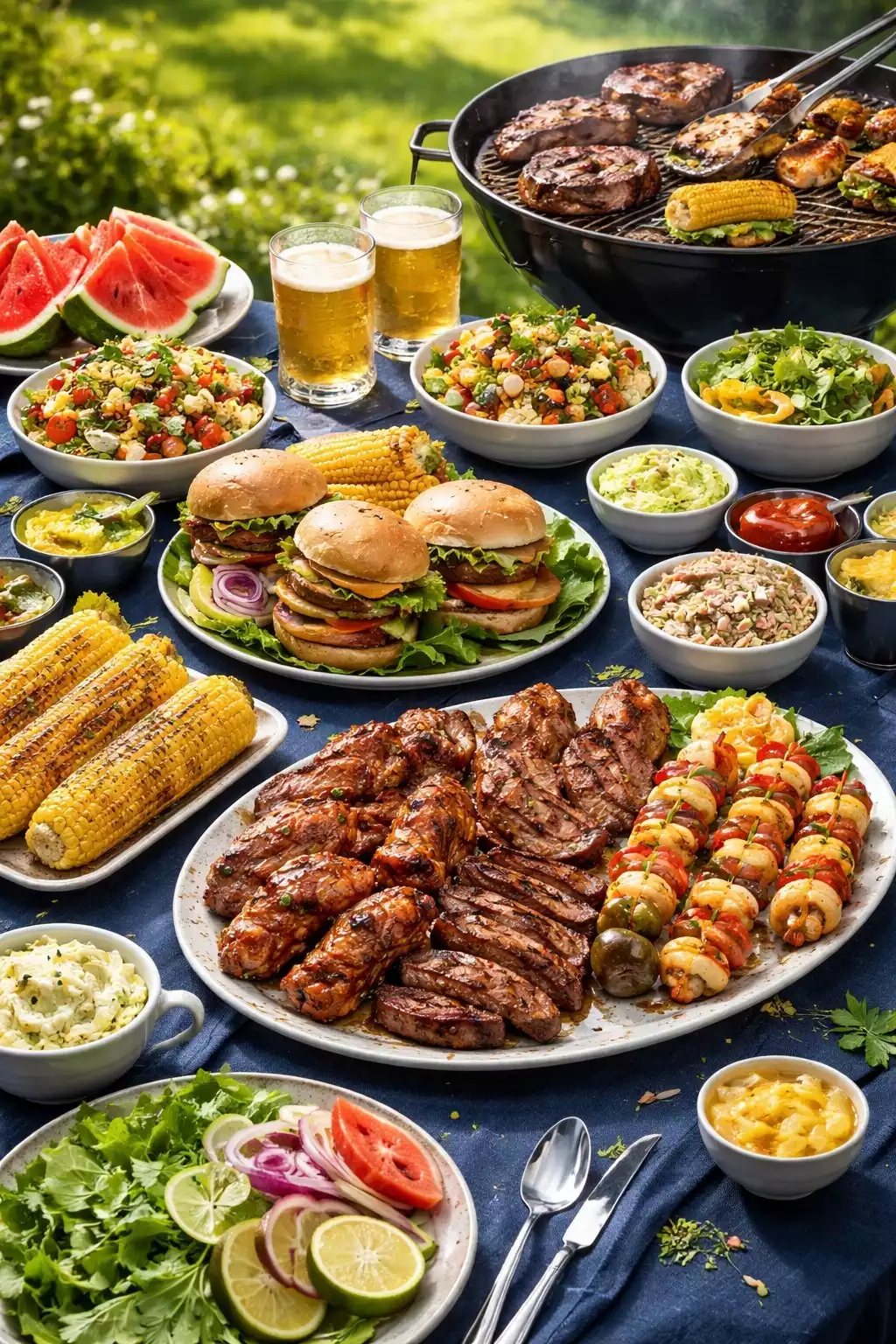
Celery sticks, carrot sticks, ranch, blue cheese dressing. Pair with mac and cheese or coleslaw for a full wing night spread.
Frequently Asked Questions
Can I add sauce after?
Defeats the purpose, but it’s your dinner. If you want a light glaze, brush with a thin layer of sauce during the last 2 minutes of cooking. But the whole point of dry rub wings is that the flavor comes from the spices, not the sauce.
How many per person?
8-10 wings as a main, 5-6 as an appetizer.
The Flat vs. Drumette Debate
Flats (the two-boned, flatter piece) have more skin relative to meat, which means more crispy surface area. They also cook more evenly because of their uniform thickness. Drumettes (the mini drumstick shape) have more meat and are easier to eat with one hand. Most people have a preference but serve both — let your guests pick their favorites. Separate the flats and drumettes before cooking for more even results, since drumettes take slightly longer due to their thickness.
Game Day Wing Math
For a wing-focused game day spread: plan 8-10 wings per person as the main event, or 5-6 per person alongside other appetizers. A 3-pound bag of wings contains roughly 24-28 pieces. For 8 people with wings as the star, you need about 6-7 pounds. Make two or three rub variations from the same batch — divide the wings, apply different rubs, and label each tray. This gives variety without multiplying the effort.
Reheating
Leftover dry rub wings reheat beautifully — better than sauced wings, which get soggy. Spread on a baking sheet and reheat at 400°F for 8-10 minutes until the skin re-crisps. The air fryer is even better: 375°F for 5-6 minutes. Microwave is the enemy of crispy wings — it steams the skin and turns them rubbery. Avoid it.
Building a Wing Bar
Set up a wing bar with dry rub wings as the base and sauces on the side: buffalo, BBQ, honey garlic, teriyaki. People dip or drizzle as they please. This is the best approach for mixed groups because dry rub fans eat them plain while sauce fans customize. Everyone wins, and you only need to cook one style of wing.
The Flat vs. Drumette Debate
Separate the wings into flats and drumettes before cooking. Flats have two bones and more skin surface area — they get crispier. Drumettes have one bone and more meat — they’re meatier but less crispy. Both are excellent with dry rub. Separate them and cook in groups so you can pull each type when it’s perfectly done.
Game Day Wing Spread
Make three batches with different rubs: classic (paprika-garlic-cayenne), lemon pepper, and Cajun. Arrange on separate platters with labels. This gives guests variety without the mess of three different sauces. Dry rub wings are the cleanest wings to eat at a party — no sauce dripping onto furniture, no sticky fingers on the remote. This alone makes them superior for game day.
The Overnight Dry Brine
For the crispiest possible skin, toss wings with the baking powder, salt, and rub the night before. Place on a wire rack over a sheet pan and refrigerate uncovered overnight. The salt draws out moisture, then the surface dehydrates in the fridge. When cooked the next day, the skin crisps dramatically faster and more aggressively. This overnight method is the closest you can get to deep-fried crispiness without oil.
Temperature Is Everything
Wings are done at 165°F internal per food safety, but they taste better at 175-185°F. The extra heat renders more fat from the skin and the connective tissue breaks down further, creating a more tender and flavorful wing. Don’t be afraid to push past 165°F — wings are forgiving because the dark meat stays juicy at higher temperatures.
Cost Comparison
A plate of 10 wings at a restaurant costs $15-20. Three pounds of wings at the store costs $7-10 and yields about 24 pieces — enough for 2-3 people. That’s the same quantity for a fraction of the price, and with dry rub wings, you’re not paying for mediocre sauce. You’re paying for quality chicken, good spices, and your own cooking skill. Wing night at home is one of the best value-to-satisfaction ratios in home cooking.
Reheating Wings
Leftover dry rub wings reheat better than sauced wings because the dry rub doesn’t get soggy. Reheat in a 400°F oven or air fryer for 8-10 minutes until the skin re-crisps. Microwaving works in a pinch but produces soft, steamy skin. The oven or air fryer method restores the crispiness to about 80% of fresh-from-the-grill quality.
Wing Sizes
Buy large wings when possible. Small wings have a poor meat-to-bone ratio and crisp too fast. Large wings hold more moisture, have more meat per piece, and give the rub more surface to adhere to. Party wings from Costco or Sam’s Club are consistently large and well-priced — buy the big bag, separate and season, then cook in batches.
Dry rub wings are the wing lover’s wing. No sauce to hide behind. No sweetness to mask mediocre chicken. Just properly seasoned, crispy-skinned, bold-flavored wings that let the chicken and the spices do exactly what they’re supposed to do.
More From Off The Galley
Texas Brisket · Baby Back Ribs · Pulled Pork · Grilled Chicken Thighs · Homemade Mac And Cheese

Off the Galley Mike
Mike — Off The Galley
Six years as a Navy cook on submarines and destroyers, feeding 130 sailors from a galley the size of your bathroom. Now I cook the same big-flavor, no-nonsense food for my family of four — and share every recipe here. No culinary school. No fancy plating. Just real food that works, tested on the toughest critics afloat and the pickiest ones at home.