

Off the Galley Mike
Mike — Off The Galley
Six years as a Navy cook on submarines and destroyers, feeding 130 sailors from a galley the size of your bathroom. Now I cook the same big-flavor, no-nonsense food for my family of four — and share every recipe here. No culinary school. No fancy plating. Just real food that works, tested on the toughest critics afloat and the pickiest ones at home.
Grilled Chicken Thighs — Juicier, Cheaper, Harder to Overcook
Thighs over breasts. Every time. Juicier, cheaper, and I’ve grilled hundreds of thighs over the years and I can count on one hand the times I’ve actually ruined one. With breast meat, that number would need both hands and my feet.harder to overcook. Chicken thighs are superior. I will die on this hill. Breast meat is lean and unforgiving — overcook it by two minutes and it’s dry cardboard. Thigh meat has more fat, more connective tissue, and more flavor. It stays moist even if you get distracted and leave it on the grill a few minutes too long. For grilling especially, where the margin between ‘perfectly cooked’ and ‘dry disaster’ is razor thin with breast meat, thighs are the obvious choice.For grilling especially, thighs are the obvious choice.
Why Bone-In, Skin-On
The bone conducts heat into the center of the meat for even cooking. The skin protects the meat from drying out and, when crisped over direct heat, provides a layer of crackling, salty, rendered deliciousness that boneless skinless thighs simply cannot match. Yes, skin-on thighs have more calories. The flavor difference is worth every single one.
Ingredients
8 bone-in, skin-on chicken thighs, 2 tablespoons olive oil, 1 teaspoon kosher salt, 1 teaspoon black pepper, 1 teaspoon garlic powder, 1 teaspoon paprika, 1/2 teaspoon onion powder.
How to Grill Them
Step 1: Season
Pat thighs dry. Rub with olive oil. Season generously with salt, pepper, garlic powder, paprika, and onion powder. Let them sit at room temperature for 20 minutes while the grill heats.
Step 2: Indirect heat first
Set up your grill for two-zone cooking — hot coals on one side, nothing on the other (or burners on one side for gas). Place thighs skin-side up over indirect heat. Close the lid and cook until internal temperature reaches 165-175°F, about 20-25 minutes. This cooks the thigh through gently without burning the skin.
Step 3: Direct heat for crispy skin
Move thighs skin-side down over direct heat for 2-3 minutes until the skin is crispy and charred. Watch closely — skin goes from perfect to burned quickly. Remove when the skin is crackling and golden.
The Two-Zone Method
This is the most important technique for grilling chicken thighs. Direct heat alone burns the skin before the interior cooks through (thanks to the bone and thickness). Indirect heat cooks the meat through gently, and a quick finish over direct heat crisps the skin. It’s the same concept as reverse-searing a steak.
The Skin Crisp Problem
The number one complaint about grilled chicken thighs is flabby, rubbery skin. This happens when the fat under the skin doesn’t render completely. The two-zone method solves this: the indirect phase slowly renders the fat, and the direct heat finish crisps the now-thin skin. But there are two more tricks that help. First, pat the skin completely dry before seasoning — moisture on the surface steams instead of crisping. Second, let the thighs sit uncovered in the fridge for an hour before grilling. The cool, dry air dehydrates the skin surface, setting it up for maximum crispiness when it hits the hot grate.
Don’t Crowd the Grill
Leave at least 1 inch between thighs on the grate. Crowded thighs steam each other instead of getting direct heat exposure, which prevents browning and crisping. For 8 thighs, you need a grill surface that’s at least 18 inches wide. If your grill is small, cook in two batches — perfectly cooked thighs are worth the extra 10 minutes.
Marinade Options
The basic salt-and-pepper version is excellent, but thighs take marinade beautifully. Try: lemon-herb (lemon juice, olive oil, oregano, garlic), teriyaki (soy sauce, mirin, ginger, garlic, brown sugar), jerk (allspice, thyme, scotch bonnet, garlic, lime), or adobo (chipotle peppers, lime, cumin, garlic). Marinate 2-4 hours for best results.
Serve With
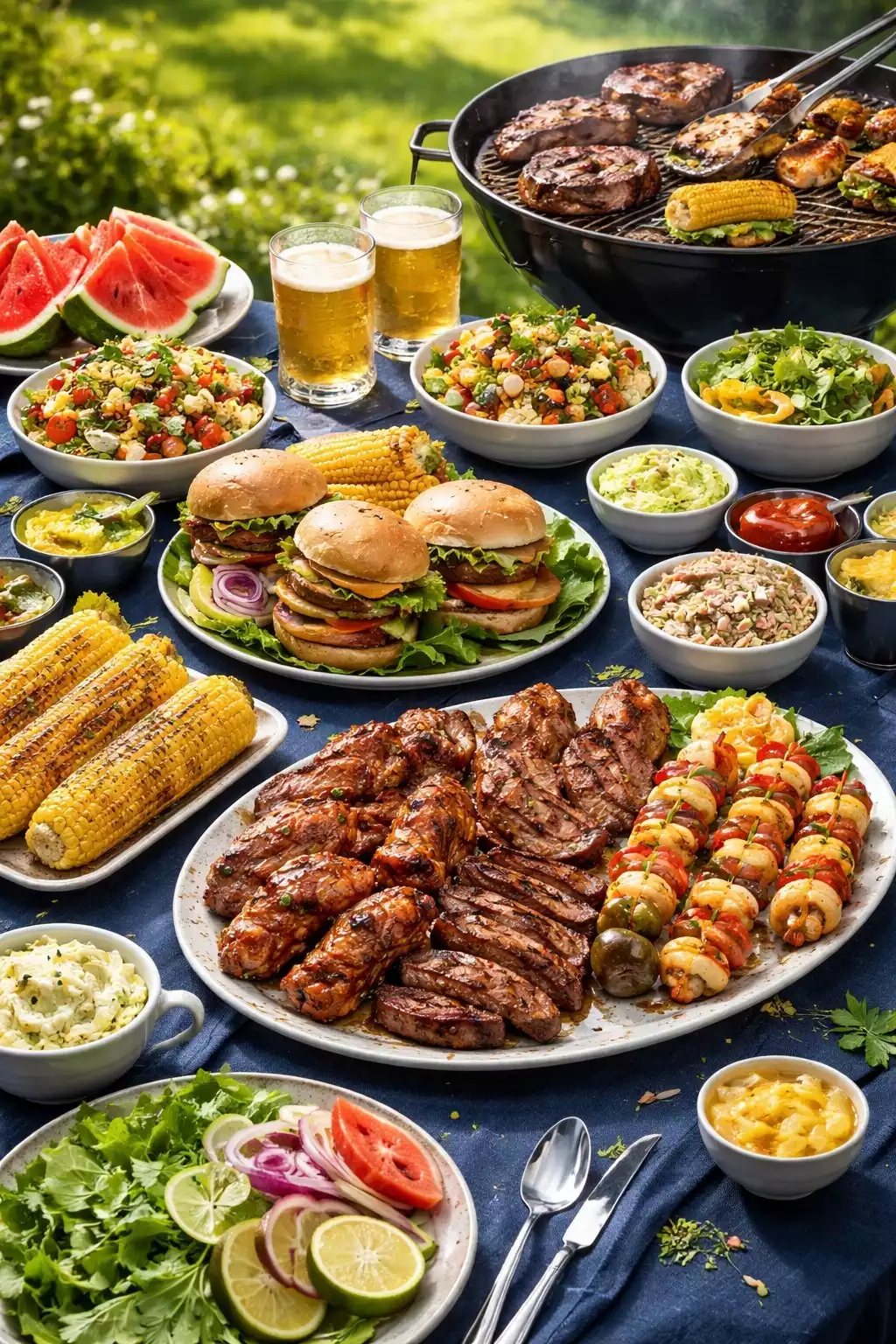
Grilled corn, coleslaw, rice, grilled vegetables, potato salad. These are the anchor protein for any backyard cookout. Make extra — cold grilled chicken thighs are excellent sliced over salads the next day.
The Overnight Marinade Option
While salt and pepper produces excellent thighs, an overnight marinade transforms them. My go-to: 1/4 cup olive oil, 2 tablespoons soy sauce, 2 tablespoons lemon juice, 4 cloves minced garlic, 1 teaspoon each oregano, cumin, and paprika. The acid in the lemon juice tenderizes the surface, the soy sauce adds deep savory flavor, and the oil helps the skin crisp. Marinate in a zip-lock bag overnight and grill the next day.
Temperature Guide
Unlike chicken breast, where 165°F is the finish line, thighs benefit from going higher. At 165°F, thighs are safe but can still feel slightly chewy near the bone where connective tissue hasn’t fully broken down. At 175-185°F, the collagen has converted to gelatin and the meat practically falls off the bone while staying incredibly moist from the higher fat content.
Use an instant-read thermometer inserted into the thickest part of the thigh, not touching the bone. The bone conducts heat faster than the meat, so touching it gives a falsely high reading.
Batch Cooking for the Week
Grill 8-10 thighs on Sunday and you have protein for the entire week. Slice over salads, add to grain bowls, stuff into wraps, dice into fajitas, or eat cold straight from the fridge at midnight. Grilled chicken thighs reheat well in the microwave (30 seconds) or skillet (2 minutes per side), and they’re one of the few proteins that taste equally good cold.
The Cheapest Protein on the Grill
Bone-in, skin-on chicken thighs regularly go for $1.50-2.50 per pound. Compare that to chicken breast ($4-5/lb), ribeye steak ($12-18/lb), or pork chops ($4-6/lb). At 2 thighs per person, you’re feeding each guest for about $1.50-2.00. For a cookout with 10 people, that’s $15-20 in protein. Add corn, coleslaw, and baked beans and the entire cookout costs about $5 per person. That’s cheaper than fast food and infinitely better.
Leftover Transformation
Cold grilled chicken thighs sliced over a grain bowl with pickled onions, cucumber, and tahini sauce is one of the best lunches that exists. Or dice the thighs and add to pasta, stir fry, soup, or a Chipotle-style bowl. The charred, seasoned flavor holds up across every application.
Common Grilling Mistakes
Cooking over direct heat only. The skin burns before the interior cooks. Always use two-zone cooking.
Not drying the skin. Wet skin steams instead of crisping. Pat dry thoroughly with paper towels before seasoning.
Moving the chicken too often. Let it sit undisturbed on each zone. Lifting and repositioning prevents proper browning and makes the skin stick to the grates.
Frequently Asked Questions
What internal temperature for thighs?
165°F is the USDA minimum, but thighs are actually better at 175-185°F. The extra heat renders more fat and melts connective tissue, making the meat more tender. Unlike breast, thighs improve with higher temperatures.
Why does the skin keep sticking?
The grill grates aren’t hot enough or aren’t clean and oiled. Clean the grates, oil them with a paper towel dipped in oil, and make sure they’re hot before placing the chicken.
How many per person?
Two thighs per adult is standard. For big eaters, plan three.
The Weekly Protein Prep
Grill a large batch of chicken thighs on Sunday and use them all week: sliced over salads Monday, diced in quesadillas Tuesday, shredded in enchiladas Wednesday, chopped over rice bowls Thursday. Eight thighs cost about $6-8 and provide protein for 4-5 meals. Grilled thighs reheat better than breast because the fat keeps them moist — even after microwave reheating, they remain juicy rather than turning rubbery like breast meat does.
The Marinade Library
Build a collection of 3-4 marinades and rotate weekly. Lemon-herb (Mediterranean), soy-ginger (Asian), adobo-lime (Tex-Mex), and jerk seasoning (Caribbean) cover four completely different flavor profiles using the same base protein. Each marinade produces a distinct meal character while requiring identical grill technique.
More From Off The Galley
Texas Brisket · Baby Back Ribs · Pulled Pork · Smoked Wings · Homemade Queso
Off the Galley Mike
Mike — Off The Galley
Six years as a Navy cook on submarines and destroyers, feeding 130 sailors from a galley the size of your bathroom. Now I cook the same big-flavor, no-nonsense food for my family of four — and share every recipe here. No culinary school. No fancy plating. Just real food that works, tested on the toughest critics afloat and the pickiest ones at home.