





Off the Galley Mike
Mike — Off The Galley
Six years as a Navy cook on submarines and destroyers, feeding 130 sailors from a galley the size of your bathroom. Now I cook the same big-flavor, no-nonsense food for my family of four — and share every recipe here. No culinary school. No fancy plating. Just real food that works, tested on the toughest critics afloat and the pickiest ones at home.
Pulled Pork — Pork Shoulder, Simple Rub, Patience, That’s the Recipe
Pork shoulder, salt, pepper, smoke, patience. That’s the whole recipe. Pulled pork is the most forgiving meat you can smoke. Unlike brisket, which can dry out if you overcook it, pork shoulder has so much intramuscular fat and connective tissue that it’s nearly impossible to ruin. Cook it low and slow until the collagen converts to gelatin, use two forks (or bear claws if you want to feel like a proper pitmaster) and pull it apartpull it apart with forks, and you’ve got the best sandwich filling on earth.
Why Pork Shoulder
Pork shoulder (also sold as “Boston butt” or “pork butt” despite coming from the shoulder — I know, it’s confusing) is heavily marbled with fat and connective tissue. During the long, low cook, the collagen melts into gelatin, which makes the meat incredibly moist and easy to pull apart. A pork loin or tenderloin doesn’t have this fat structure and would dry out completely in a smoker. Shoulder is the only cut for pulled pork.
Ingredients
1 bone-in pork shoulder (8-10 pounds), 2 tablespoons kosher salt, 2 tablespoons black pepper, 2 tablespoons paprika, 1 tablespoon garlic powder, 1 tablespoon onion powder, 1 tablespoon brown sugar, 1 teaspoon cayenne (optional), yellow mustard as binder (optional).
Trimming
Pork shoulders come with a thick fat cap on one side. Trim it down to about 1/4 inch — enough to protect the meat during cooking and add moisture, but not so thick that it prevents smoke and rub from reaching the meat. Remove any loose flaps of fat or meat that will burn during the long cook. A sharp knife and 10 minutes is all this takes.
The Binder and Rub
Coat the trimmed shoulder with a thin layer of yellow mustard. This acts as a binder — it gives the dry rub something to stick to. Don’t worry about the mustard affecting the flavor. After 14 hours in a smoker, the mustard taste completely disappears. It’s purely functional.
Apply the rub generously to every surface. The rub should be visible as a thick, even coating. Don’t be shy — you’re seasoning a massive piece of meat that weighs 8-10 pounds. If you can still see the pink of the pork through the rub, you need more.
How to Make It
1
1Season
Mix the rub ingredients. Optionally, coat the pork shoulder with a thin layer of yellow mustard (it won’t affect the flavor — it just helps the rub stick). Apply the rub generously to all surfaces. If time allows, season the night before and refrigerate uncovered.
2
2Smoke
Set your smoker to 225°F with your preferred hardwood (apple, cherry, hickory, or a blend). Place the pork shoulder fat-side up. Close the lid and smoke until the internal temperature reaches 165°F, about 6-8 hours. At this point, you’ll hit the stall — same as brisket.
3
3Wrap and finish
Wrap in foil or butcher paper and return to the smoker. Continue cooking until the internal temperature reaches 203°F and a probe slides in effortlessly. This takes an additional 3-5 hours. Total cook time for an 8-10 pound shoulder is typically 12-16 hours.
4
4Rest and pull
Keep the pork wrapped and rest for at least 1 hour (up to 4 hours in an insulated cooler). Unwrap, remove the bone (it should slide right out), and pull the meat apart with two forks or bear claws. Mix in some of the collected juices.
The Overnight Cook
Start the pork at 10 PM. By morning, it’s through the stall and wrapped. By noon or early afternoon, it’s done. Rest for an hour while you prep the sides, and you’re eating pulled pork for a late lunch. This overnight method means you’re sleeping through the hardest part of the cook.
Serve With
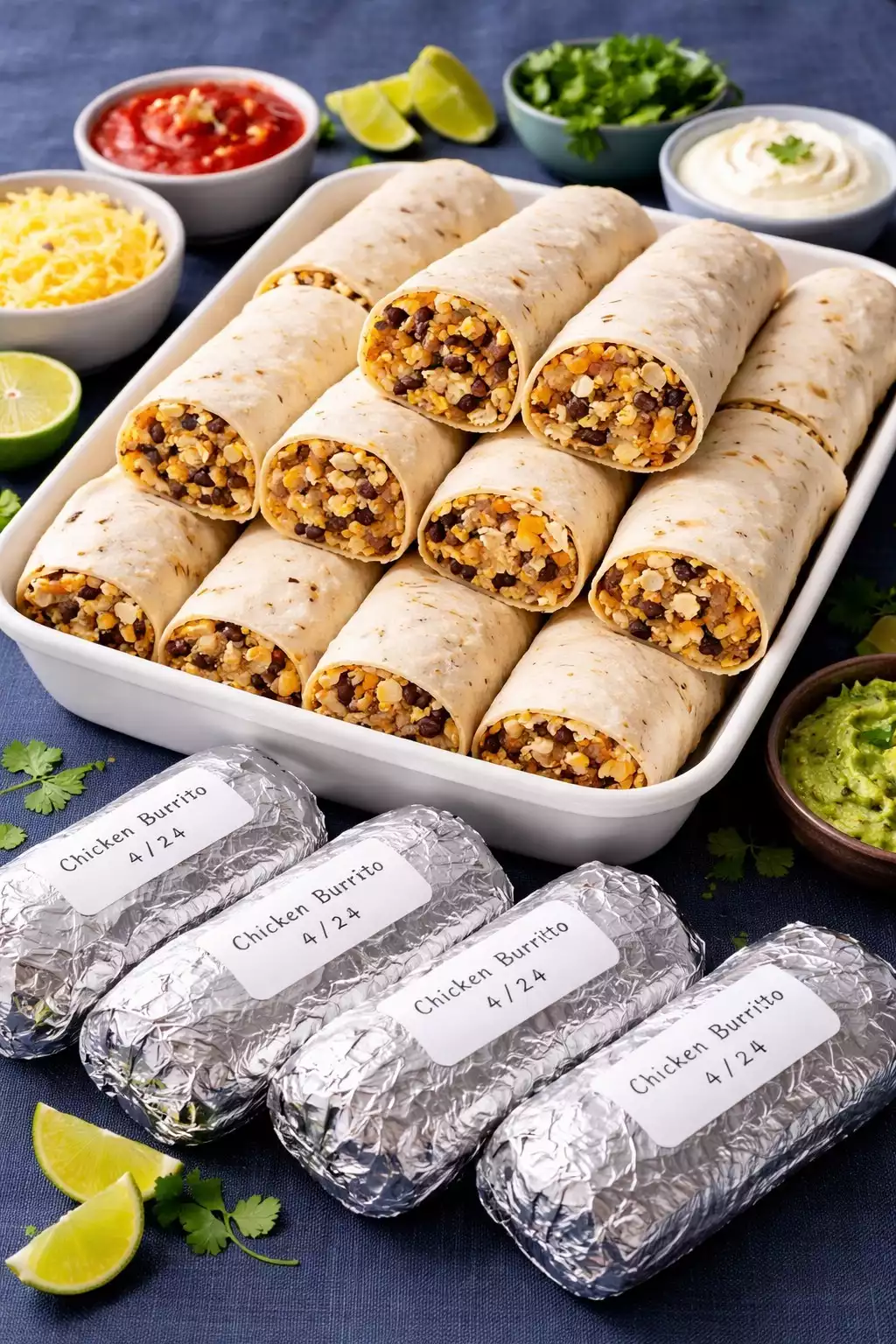
On sandwich buns with coleslaw piled on top — the creamy, tangy slaw against smoky, rich pulled pork is one of the greatest food combinations. Also excellent in tacos, on nachos, over mac and cheese, in burritos, or just by itself with baked beans and cornbread.
Storage
Pulled pork freezes beautifully. Portion into zip-lock bags with some of the juices, press out the air, and freeze for up to 3 months. Thaw overnight in the fridge and reheat gently with a splash of apple juice or broth. One pork shoulder yields enough meat for multiple meals across weeks.
Sauce or No Sauce
Good pulled pork doesn’t need sauce — the rendered fat, bark, and smoke flavor provide enough moisture and flavor. But sauce is never wrong. Serve it on the side and let people choose. My preference: a thin vinegar-based sauce (apple cider vinegar, red pepper flakes, brown sugar, salt) that cuts through the richness without masking the smoke flavor. Thick tomato-based BBQ sauce works too — drizzle it on the sandwich or mix it into the pulled meat.
The Bark
The bark — that dark, crusty exterior — is the best part. When you pull the pork, chop some of the bark into small pieces and mix it throughout the meat. This distributes the concentrated smoky, spicy flavor evenly. Some people set the bark aside and eat it separately like candy. Both approaches are valid and delicious.
Feeding a Crowd
Pulled pork is the ultimate party food because it’s cheap, it feeds a crowd, and it can sit in a warming tray for hours without drying out. A single 10-pound shoulder feeds 20-25 people in sandwich form. Set out buns, coleslaw, pickles, sauce, and sliced onions. Total cost: about $3-4 per person. Try doing that at a restaurant.
The Leftover Gold Mine
A single pork shoulder produces enough pulled pork for at least 4-5 different meals. Monday: pulled pork sandwiches. Tuesday: pulled pork nachos with cheese and jalapeños. Wednesday: pulled pork tacos with slaw and lime. Thursday: pulled pork quesadillas. Friday: pulled pork fried rice with scrambled egg and soy sauce. Freeze what you can’t eat within 3 days and defrost portions as needed throughout the month.
Wood Pairing
Apple wood gives mild, slightly sweet smoke — the most popular choice for pork. Cherry adds a reddish tint to the bark and a subtle fruity sweetness. Hickory is stronger and more traditional — classic BBQ flavor. A mix of apple and hickory is my go-to combination for pulled pork.
The Spritz
Every hour after the first 2 hours of smoking, spritz the pork shoulder with a mixture of apple juice and apple cider vinegar (50/50). This adds moisture to the surface, helps develop the bark, and adds a subtle tangy sweetness. Some pitmasters use beer, cola, or straight apple juice. All work — the goal is surface moisture that prevents the bark from drying out and cracking.
When to Wrap
Wrap at 165°F internal temperature — this is when the stall typically begins. Wrapping in foil (the “Texas Crutch”) pushes through the stall faster and produces a juicier result with softer bark. Wrapping in butcher paper pushes through the stall slightly slower but preserves the bark texture better. You can also choose not to wrap at all — this produces the best bark but the longest cook time (potentially 18-20 hours) and a slightly drier result. I wrap in foil for convenience and juiciness.
The Pull Test
The pork is ready when a probe thermometer slides into the thickest part with zero resistance at around 203°F. But don’t rely solely on temperature — the “feel” of the probe is more important. If there’s any resistance, keep cooking. The bone should wiggle freely and nearly slide out when you grip it. If it takes effort to remove the bone, the collagen hasn’t fully converted and the pork needs more time.
Frequently Asked Questions
Can I do this in a slow cooker?
Yes. Season the pork shoulder, place in a slow cooker, and cook on low for 10-12 hours. You won’t get the smoke flavor or bark, but the meat will be pull-apart tender. Add a tablespoon of liquid smoke to the slow cooker for a hint of smokiness.
What if I don’t have a smoker?
Use the oven at 225°F for 12-16 hours, wrapped in foil for the second half. Or use a charcoal grill set up for indirect cooking with wood chips for smoke.
How much pork per person?
Plan for 1/3 to 1/2 pound of raw pork per person. A 10-pound shoulder yields roughly 6-7 pounds of pulled meat after trimming and shrinkage.
More From Off The Galley
Texas Brisket · Baby Back Ribs · Grilled Chicken Thighs · Smoked Wings · Loaded Nachos

Off the Galley Mike
Mike — Off The Galley
Six years as a Navy cook on submarines and destroyers, feeding 130 sailors from a galley the size of your bathroom. Now I cook the same big-flavor, no-nonsense food for my family of four — and share every recipe here. No culinary school. No fancy plating. Just real food that works, tested on the toughest critics afloat and the pickiest ones at home.