
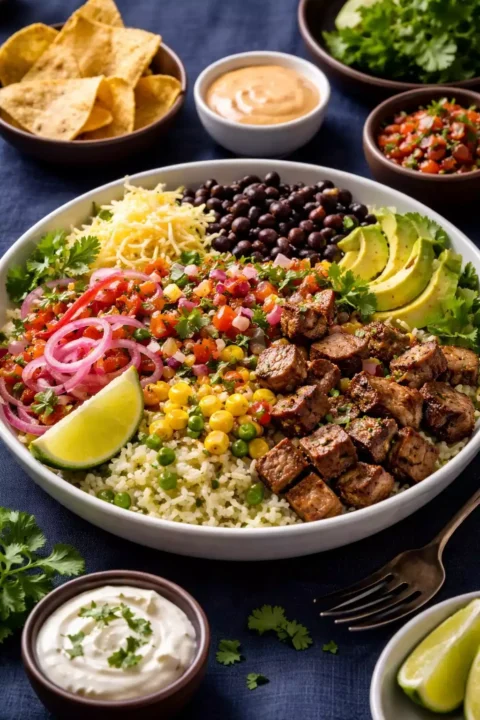
Beef Burrito Bowl
Everything you’d put in a burrito but in a bowl. Same flavors, less structural engineering. A burrito bowl is the deconstructed version of a burrito — all the same components, layered in a bowl, eaten
Ingredients
- 1 pound ground beef seasoned with taco seasoning
- 2 cups Tex-Mex rice (or cilantro lime rice)
- 1 can black beans (drained and rinsed)
- 1 cup corn (grilled
- roasted
- or frozen/thawed)
- pico de gallo
- shredded lettuce
- shredded cheese
- sour cream
- guacamole
- lime wedges
- hot sauce
Off the Galley Mike
Mike — Off The Galley
Six years as a Navy cook on submarines and destroyers, feeding 130 sailors from a galley the size of your bathroom. Now I cook the same big-flavor, no-nonsense food for my family of four — and share every recipe here. No culinary school. No fancy plating. Just real food that works, tested on the toughest critics afloat and the pickiest ones at home.
Beef Burrito Bowl — Same Flavors as a Burrito, Less Structural Engineering
Everything you’d put in a burrito but in a bowl. Same flavors, less structural engineering. A burrito bowl is the deconstructed version of a burrito — all the same components, layered in a bowl, eaten with a fork. No rolling technique required. No tortilla tearing under the weight of too many toppings. No sad burrito blowout where the bottom gives way and everything falls in your lap. Just a bowl, a fork, and every flavor you love.
The Components
A proper burrito bowl has layers: a base (rice), a protein (seasoned beef), beans, fresh toppings, and finishing elements. Each component contributes something essential. The rice absorbs the juices. The beef provides savory, seasoned substance. The beans add fiber and creaminess. The fresh toppings (pico, lettuce, corn) add brightness and crunch. The finishing elements (cheese, sour cream, guacamole) add richness.
Ingredients
1 pound ground beef seasoned with taco seasoning, 2 cups Tex-Mex rice (or cilantro lime rice), 1 can black beans (drained and rinsed), 1 cup corn (grilled, roasted, or frozen/thawed), pico de gallo, shredded lettuce, shredded cheese, sour cream, guacamole, lime wedges, hot sauce.
Cilantro Lime Rice
If you don’t want Tex-Mex red rice, cilantro lime rice is the classic burrito bowl base. Cook 1.5 cups rice normally (in water or broth). When done, fluff with a fork and stir in the juice of 1 lime, 2 tablespoons chopped cilantro, 1 tablespoon butter, and a pinch of salt. The lime and cilantro transform plain rice into something restaurant-worthy. This is essentially what Chipotle does, and it’s the reason their rice tastes better than yours.
Assembly
Build from the bottom up: rice on the bottom (it catches all the juices and sauces from above), seasoned beef, beans, corn, pico de gallo, shredded lettuce, cheese, sour cream, guacamole, and a squeeze of lime. The visual presentation matters — arrange the components in sections rather than piling everything in a heap. You eat with your eyes first.
Meal Prep Champion
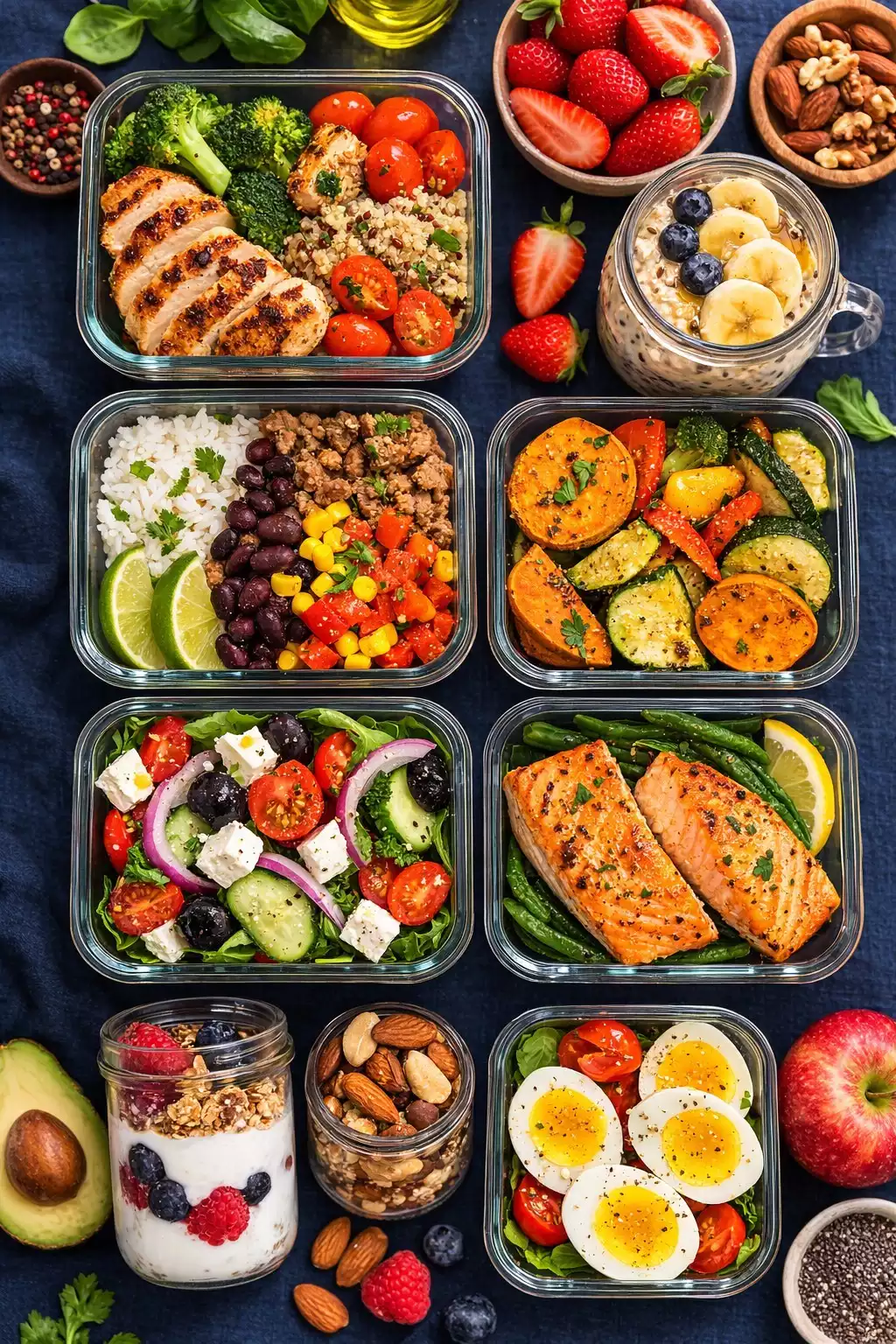
Burrito bowls are the ultimate meal prep recipe. Cook the beef, rice, and beans on Sunday. Store separately in containers. Throughout the week, assemble bowls in 5 minutes with fresh toppings. The components keep 4-5 days refrigerated. Don’t pre-add the lettuce, guacamole, or sour cream — add those fresh when serving to prevent sogginess.
Protein Swaps
Chicken: Grilled chicken breast sliced thin, or shredded rotisserie chicken with taco seasoning.
Carne asada: Sliced grilled flank steak over rice is spectacular.
Carnitas: Slow-cooked pulled pork with cumin, oregano, and orange juice.
Sofritas: Crumbled extra-firm tofu sautéed with chipotle, cumin, and garlic for a vegetarian option.
Serve With
Tortilla chips on the side for scooping, salsa, queso.
Frequently Asked Questions
Can I use a tortilla too?
Put a warm tortilla on the bottom of the bowl under the rice and you’ve built a hybrid — a bowl you can eventually fold up like a burrito once you’re halfway through. Best of both worlds.
The Chipotle Comparison
A Chipotle burrito bowl costs $10-13 for one person. Making burrito bowls at home costs about $4-5 per bowl with better quality ingredients and more generous portions. The rice is better (you control the salt and lime), the protein is better (you know exactly what went into it), and the guacamole doesn’t cost extra. Over a month of weekly burrito bowls, homemade saves $25-35 per person. For a family of 4, that’s over $100 per month saved on one meal alone.
The Bowl Composition Formula
Follow this ratio for balanced burrito bowls every time: 1 cup rice (base), 1/2 cup protein, 1/4 cup beans, 2 tablespoons each of pico, corn, cheese, and one creamy element (sour cream or guacamole). This ratio ensures every bite has a mix of components and the bowl doesn’t end up with too much rice and not enough toppings — the most common homemade burrito bowl complaint.
Grain Alternatives
Cauliflower rice: Low-carb option that absorbs the same flavors. Sauté riced cauliflower with lime and cilantro.
Quinoa: Higher protein than rice, nuttier flavor. Cook in broth and finish with lime.
Lettuce base: Skip the grain entirely for a taco salad variation. Shredded romaine or mixed greens topped with all the same burrito bowl components.
Weekend Prep, Weeknight Wins
The meal prep potential of burrito bowls is unmatched. Sunday preparation: cook rice (15 minutes active), brown and season beef (10 minutes), open and drain beans (1 minute), make pico de gallo (5 minutes), make guacamole (5 minutes). Total active time: about 35 minutes. That’s 4-5 lunches or dinners ready to assemble in under 3 minutes each. Store components separately — rice, protein, and beans in containers in the fridge, fresh toppings made fresh daily or stored separately. This is the meal prep strategy that actually works because nothing gets soggy and every bowl tastes fresh.
The Toppings Bar
Set up a toppings bar and let everyone customize their bowl. Essential toppings: shredded cheese, sour cream, guacamole, salsa, lime wedges. Elevated toppings: pickled red onions (slice thin, soak in lime juice and salt for 20 minutes), pickled jalapeños, crumbled cotija cheese, hot sauce collection, fresh cilantro, sliced radishes. The toppings bar approach ensures every person at the table gets exactly what they want, accommodates dietary restrictions naturally, and turns a simple weeknight dinner into something interactive and fun.
Why Bowls Work Better Than Burritos
Bowls hold more food than tortillas. A burrito can only hold what the tortilla can wrap without splitting. A bowl can hold unlimited toppings. This means more beans, more corn, more pico, more guacamole — more of everything good. Bowls also let you see and taste each component individually, which is harder in a burrito where everything gets compressed together. The visual appeal of a well-composed bowl, with each component arranged in its own section, makes the meal feel more special than a wrapped cylinder.
Can I use a different protein?
Any seasoned protein works: shredded chicken, carne asada, carnitas, shrimp, or even seasoned tofu. The bowl format accommodates any protein without changing the assembly process.
The Double Protein Move
For an extra-loaded bowl, use two proteins: seasoned ground beef AND sliced carne asada, or chicken AND carnitas. The two textures and flavors complement each other and make the bowl feel like a restaurant premium option.
The Double Protein Move
For an extra-loaded bowl, use two proteins: seasoned ground beef AND sliced carne asada, or chicken AND carnitas. The two textures and flavors complement each other and make the bowl feel like a restaurant premium option. This upgrade costs an extra $2-3 per person but makes the bowl feel substantial enough to be the only meal you need for hours.
The Toppings Bar Strategy
Set up all toppings in bowls and let everyone customize. Essential toppings: shredded cheese, sour cream, guacamole, salsa, lime wedges. The toppings bar turns a simple weeknight dinner into something interactive.
More From Off The Galley
Carne Asada Tacos · Ground Beef Tacos · Loaded Nachos · Homemade Queso · Crispy Fried Chicken
Off the Galley Mike
Mike — Off The Galley
Six years as a Navy cook on submarines and destroyers, feeding 130 sailors from a galley the size of your bathroom. Now I cook the same big-flavor, no-nonsense food for my family of four — and share every recipe here. No culinary school. No fancy plating. Just real food that works, tested on the toughest critics afloat and the pickiest ones at home.