
Chicken Fajitas
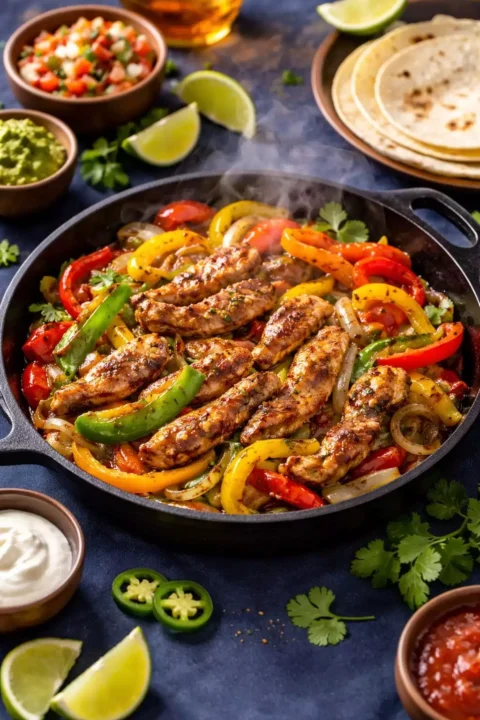
Sizzling skillet, peppers, onions, chicken. The sound is half the experience. There’s a reason every Mexican restaurant brings fajitas to the table on a screaming hot cast iron platter with steam bill
Ingredients
- 1.5 pounds boneless skinless chicken thighs (or breasts)
- marinade (above)
- 2 bell peppers (sliced into strips — use different colors for visual appeal)
- 1 large onion (sliced into strips)
- 2 tablespoons oil for cooking
- flour tortillas
- lime wedges
Method
Step 1: Cook the chicken first
-
Heat a cast iron skillet over high heat until smoking. Add 1 tablespoon oil. Place marinated chicken in a single layer — don’t crowd the pan. Cook 4-5 minutes per side until charred and the internal temperature reaches 165°F (thighs can go to 175°F for more tender results). Remove and let rest 5 minutes before slicing into strips.
Step 2: Cook the vegetables
-
Same skillet, still screaming hot. Add 1 tablespoon oil. Add pepper and onion strips in a single layer. Don’t stir for 2-3 minutes — let them char. Then toss and cook another 2-3 minutes until tender-crisp with charred edges. The vegetables should have color but still have a bite — overcooked peppers turn limp and lose their sweetness.
Step 3: Combine and serve
-
Return the sliced chicken to the skillet with the vegetables. Squeeze lime juice over everything. Serve the sizzling skillet at the table with warm tortillas, and let everyone build their own fajitas.
Off the Galley Mike
Mike — Off The Galley
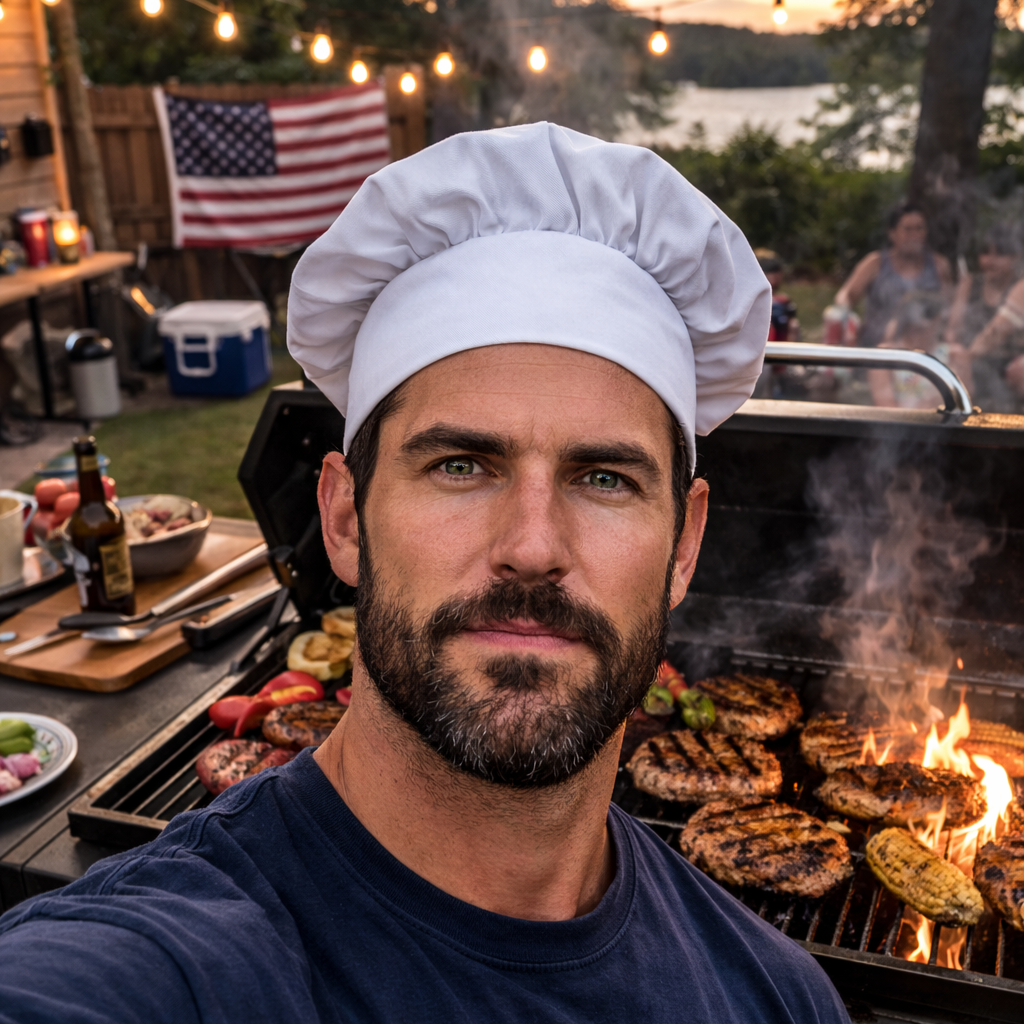
Six years as a Navy cook on submarines and destroyers, feeding 130 sailors from a galley the size of your bathroom. Now I cook the same big-flavor, no-nonsense food for my family of four — and share every recipe here. No culinary school. No fancy plating. Just real food that works, tested on the toughest critics afloat and the pickiest ones at home.
Chicken Fajitas — Sizzling Skillet, the Sound Is Half the Experience
Sizzling skillet, peppers, onions, chicken. The sound is half the experience. There’s a reason every Mexican restaurant brings fajitas to the table on a screaming hot cast iron platter with steam billowing and oil popping — the sizzle is the appetizer for the appetizer. It’s theater. It’s anticipation made audible. And you can absolutely replicate it at home with a cast iron skillet and high heat.
The Marinade
The marinade does triple duty: it adds flavor, tenderizes the surface of the chicken, and promotes browning during the high-heat cook. Mix 2 tablespoons lime juice, 2 tablespoons oil, 2 cloves garlic (minced), 1 teaspoon chili powder, 1 teaspoon cumin, 1/2 teaspoon paprika, 1/2 teaspoon salt, 1/4 teaspoon black pepper. Marinate chicken for 30 minutes minimum, 4 hours max. The lime acid tenderizes the surface — marinating longer than 4 hours can make the exterior mushy.
Ingredients
1.5 pounds boneless skinless chicken thighs (or breasts), marinade (above), 2 bell peppers (sliced into strips — use different colors for visual appeal), 1 large onion (sliced into strips), 2 tablespoons oil for cooking, flour tortillas, lime wedges.
How to Make Them
1
1Cook the chicken first
Heat a cast iron skillet over high heat until smoking. Add 1 tablespoon oil. Place marinated chicken in a single layer — don’t crowd the pan. Cook 4-5 minutes per side until charred and the internal temperature reaches 165°F (thighs can go to 175°F for more tender results). Remove and let rest 5 minutes before slicing into strips.
2
2Cook the vegetables
Same skillet, still screaming hot. Add 1 tablespoon oil. Add pepper and onion strips in a single layer. Don’t stir for 2-3 minutes — let them char. Then toss and cook another 2-3 minutes until tender-crisp with charred edges. The vegetables should have color but still have a bite — overcooked peppers turn limp and lose their sweetness.
3
3Combine and serve
Return the sliced chicken to the skillet with the vegetables. Squeeze lime juice over everything. Serve the sizzling skillet at the table with warm tortillas, and let everyone build their own fajitas.
The Cast Iron Advantage
Cast iron retains heat better than any other pan material. When you add cold chicken or vegetables, the temperature doesn’t drop dramatically the way it does with a thin stainless steel or nonstick pan. This consistent high heat is what produces the sear and char that define great fajitas. If you don’t have cast iron, use the heaviest skillet you own and preheat it thoroughly.
Thighs vs. Breasts
Chicken thighs are more forgiving — they have more fat, stay juicier at higher temperatures, and are harder to overcook. Breasts are leaner and can dry out quickly over high heat. If using breasts, pound them to even thickness (about 3/4 inch) for even cooking and pull them at exactly 165°F. Thighs can go to 175°F and still be juicy.
The Toppings
Guacamole, sour cream, salsa, shredded cheese, queso, shredded lettuce, diced tomato, lime wedges. Serve with Tex-Mex rice and refried beans for the full restaurant experience.
Frequently Asked Questions
Can I use steak instead?
Absolutely. Flank or skirt steak sliced thin makes excellent steak fajitas. Use the same marinade and the same high-heat technique. Steak fajitas and carne asada use essentially the same process.
How do I get the restaurant sizzle at home?
Preheat the cast iron skillet in a 500°F oven for 15-20 minutes before adding the food. When you bring the skillet to the table, it will be hot enough to sizzle for several minutes. Use a trivet to protect your table.
The Vegetable Prep
Slice the peppers and onions into strips of similar thickness (about 1/4 inch) so they cook evenly. Mix bell pepper colors for visual appeal — red, green, yellow, and orange all taste slightly different and look stunning together on the sizzling platter. Red peppers are the sweetest. Green peppers are the most peppery. Yellow and orange fall in between. Using all four creates a vibrant presentation that looks like the plate at a Mexican restaurant.
Don’t Crowd the Pan
This is the most common mistake with fajitas. When you crowd the pan with too much chicken or too many vegetables, the temperature drops and the food steams instead of searing. Steamed fajita chicken is gray, bland, and rubbery. Seared fajita chicken is charred, flavorful, and juicy. Cook in batches if necessary — the extra 5 minutes is worth the dramatically better result. Same principle for the vegetables: a single layer with space between the strips allows each piece to make direct contact with the hot skillet surface.
The Complete Fajita Night
For a full fajita spread: sizzling chicken and vegetables, warm flour tortillas (wrap in foil and warm in a 300°F oven for 10 minutes), Tex-Mex rice, refried beans, shredded cheese, guacamole, salsa, sour cream, and queso. This spread feeds 6-8 people for about $25-30 and rivals anything at a sit-down Mexican restaurant. Let everyone assemble their own fajitas at the table — the sizzling skillet in the center is the focal point that makes the meal feel special.
Shrimp Fajitas
Use the same marinade and technique with large shrimp (peeled and deveined). Shrimp cook faster — 2-3 minutes per side over high heat. Don’t overcook — pull them when they curl into a C shape (not an O, which means overdone). Shrimp fajitas cook in half the time and are an excellent lighter alternative to chicken or steak.
Can I make fajitas ahead?
You can marinate the chicken and slice the vegetables the day before. Store separately in the fridge. When ready to cook, the entire cooking process takes 12-15 minutes. The searing must happen fresh — reheated fajitas lose their char and sizzle. The prep-ahead, cook-fresh approach gives you the speed of takeout with the quality of restaurant fajitas.
The Sizzle Presentation
For the full restaurant experience at home: heat the cast iron skillet in a 500°F oven while prepping. Cook everything on the stovetop as directed. When done, carefully bring the screaming hot skillet to the table on a wooden board or thick trivet. The residual heat keeps everything sizzling for 3-5 minutes at the table. Warn everyone not to touch the skillet — it’s dangerously hot and stays that way for a long time.
Fajita Seasoning Hack
In a pinch, use the same taco seasoning blend as a dry rub on the chicken instead of the marinade. Season generously, let sit 15 minutes, and grill. It’s faster than marinating and produces bold, well-seasoned fajitas in less time.
More From Off The Galley
Carne Asada Tacos · Ground Beef Tacos · Loaded Nachos · Homemade Queso · Meatball Sub
Off the Galley Mike
Mike — Off The Galley
Six years as a Navy cook on submarines and destroyers, feeding 130 sailors from a galley the size of your bathroom. Now I cook the same big-flavor, no-nonsense food for my family of four — and share every recipe here. No culinary school. No fancy plating. Just real food that works, tested on the toughest critics afloat and the pickiest ones at home.